
Blogs

Getting a recovery notice from the bank can feel overwhelming. One day you are making your EMI payments and the next day you get a demand letter, notice from a recovery agent, bank legal notice or papers stating DRT Proceedings. It can be the loss of working capital for your business. It can mean your home is being threatened for a family.
Ignoring your bank recovery notice is not the solution. However, just because you received a notice, it does not mean the bank can initiate all recovery actions against you right away.
Understanding a Bank recovery notice. A bank sends out these notices as a legal demand to pay up an outstanding loan amount or forewarn additional recovery action to be taken. The enforceability of the notice will depend on the type of loan you have taken, what documents you have signed, where you are in the default process, whether security has been created and what law/forum is being invoked.
Why Does a Bank Recovery Notice Matter in 2026?
As mentioned earlier, receipt of a bank recovery notice may mean that your loan account has been transferred to the recovery stage as opposed to being handled by regular collection agencies. Recovery implications can vary depending on the contents of notice and the legal route the lender decides to take.
The lender may initiate action against you under Securitisation and Reconstruction of Financial Assets and Enforcement of Security Interest Act, 2002 (“SARFAESI Act”) if it is a secured loan. It can also initiate recovery proceedings before the Debt Recovery Tribunal (“DRT”) under Recovery of Debts and Bankruptcy Act, 1993.
BK Singh Advocate suggests reviewing the notice alongside your loan agreement, account statement, security documents and previous communication before deciding on a course of action.
There is a significant volume of banking, commercial loans, MSME and secured-property loan related disputes in Delhi NCR. Borrowers might therefore receive bank recovery notices from Delhi, Noida, Ghaziabad, Gurugram, Faridabad or any other jurisdiction. DRT proceedings will be initiated at a DRT as per statutory jurisdiction.
What Is a Bank Recovery Notice?
A bank recovery notice will generally be a letter from the bank or some authorized agency about a loan outstanding amount. Such notice may be asking you to make payment, informing about default, referring to contractual/legal consequences or warning of legal action to be initiated against you.
Not all notices are of the same legal nature.
A plain vanilla collection letter is one thing. SARFAESI notice under statute is something else. Notice for initiating DRT case is yet another thing. Notice of possession /auction would have a different connotation than a first demand notice.
BK Singh Advocate analyzes the text of the actual notice before suggesting what should be borrower’s response.
Thus borrowers should not think every letter that says ” legal notice” would necessarily mean initiation of DRT case. Neither should they think that innocuous sounding letter from bank would not have any legal consequences.
Language used, Sender of notice, Date of notice, Amount demanded, Reference to previous notices all are relevant.
What Laws Can Apply to Bank Recovery?
Bank recovery cases in India may be governed by multiple statutes.
The Recovery of Debts and Bankruptcy Act, 1993
The Recovery of Debts Due to Banks and Financial Institutions Act, 1993 ("DRT Act") enacts the Debt Recovery Tribunal System by which banks and financial institutions can recover their dues.
Section 19 allows for the Institution of Application to the Tribunal when a bank or financial institution desires to recover any debt due to it, subject to fulfilling the jurisdictional requirements under the DRT Act.
If you as a borrower receive a call from a bank or financial institution (or its lawyers) with reference to a pending DRT Recovery proceeding, take time to understand the pleadings, amount claimed, documents produced and the procedural status instead of ignoring such call as a standard collection call.
BK Singh Advocate can help you understand the recovery documents and point out if the dispute is regarding the debt, amount claimed, liability, guarantee, security or something else.
SARFAESI Act, 2002
Sometimes, SARFAESI Act can become extremely relevant in the context of secured finance.
Section 13(2) allows the secured creditor to send a demand notice to the borrower to repay the liability amount within the time prescribed under law. 60 days is the usual time provided to the borrower. Upon default of the borrower to repay the said amount, the secured creditor is entitled to take recourse to the measures under Section 13(4), in compliance with requirements under the law.
After the invocation of Section 13(4), Section 17 allows an aggrieved person a remedy by way of an application to DRT.
Notice the difference between the two sections. A borrower should not take lightly a demand notice, or for that matter a possession notice and auction notice as if all three are the same.
What Should You Check After Receiving a Recovery Notice?
First things first. Don’t panic. But do read.
- Check who has sent you the notice.
- Is it the bank/NBFC/ARC/ authorised recovery agency / advocate / tribunal?
- Check how much they say you owe.
- Match the claimed amount with your account statements/payments.
- Check whose loan they’re talking about.
- Verify the loan account number/facility/borrower/name/details of security etc.
- Check what stage the matter has reached.
- Is this a normal demand notice? Statutory notice? Notice of possession? Auction-intention letter? DRT proceeding?
Deadlines matter. Especially if a statutory remedy is involved that might depend on the date of the recovery action taken.
What Documents Should a Borrower Keep?
It is very difficult to visualize legal opinion based on records without seeing the underlying record.”
- Loan sanction letter
- Loan Agreement
- Statement of account
- Repayment Schedule
- Receipts of payment made
- Documents of restructuring or moratorium approved by the bank.
- Documents of security/mortgage created
- Documents of guarantee executed (if any)
In case of business borrowers, financial statements; correspondence relating to cash-flow problems and restructuring talks would also be relevant.
BK Singh Advocate tries to solve disputes based on documents only because one cannot form an opinion based solely on the borrower's version about telephonic conversations.
Can a Borrower Challenge a Bank Recovery Notice?
Legally, a borrower can have a remedy in certain situations. However, such remedy will depend upon the nature of the notice and what action is actually taken. Just because a borrower disputes the amount asked does not mean that the recovery rights of the bank are wiped away. On the other hand, a demand by a bank is not sacrosanct and can be questioned.
Incorrect account calculation, procedural anomalies, liability being disputed, defective service, issues regarding security, applicable statutory requirements not being followed or some other fact regarding the recovery being amiss are some situations that could arise.
The SARFAESI laws do provide a remedy under Section 17 before the DRT for actions taken under Section 13(4). However, whether and when that remedy is available would depend upon the nature of the recovery action taken and the facts. BK Singh Advocate can advise you on if the borrower has a statutory remedy available, if a settlement negotiation is commercially viable or if the issue needs to be taken up before the relevant forum.
Does a Bank Recovery Notice Mean That Property Will Be Auctioned?
No. Upon receipt of a recovery notice, the property will not be immediately auctioned off.
Depending on the type of loan advanced, and stage reached by the lender, it may be that, in the context of a secured loan where SARFAESI proceedings are involved, the lender can follow certain statutory steps prior to sale of the secured asset, in accordance with the Act and rules made thereunder.
A borrower has therefore to ascertain exactly what has been received.
An initial demand notice is different from a possession notice. A possession notice is different from an auction or sale notice.
BK Singh Advocate suggests that one should take legal opinion before acting on the premise that an auction is either inevitable or legally flawed.
Can the Borrower Negotiate With the Bank?
Yes. Where commercially appropriate, settlement, restructuring or some other negotiated outcome may be possible. But negotiation is not necessarily settlement.
Before embarking on negotiated terms a borrower should know the amount owed, the proposed payment terms, the security position and understand the consequences of any proposed settlement.
Whether for individuals, businesses or MSMEs, sometimes a sensible repayment plan can be more sensible than protracted litigation. Sometimes a borrower needs to take steps to protect their statutory rights while negotiations are undertaken.
BK Singh Advocate can help you review settlement correspondence and help identify any legal issues you should consider before signing a settlement agreement.
Unsigned promises or informal statements which are not documented should be treated with caution.
When Should You Consult a Bank Recovery Lawyer?
It is always advisable to meet a lawyer when:
- You have received a statutory recovery notice.
- You have received a possession notice.
- The property is being proposed to be sold by auction.
- DRT case has been initiated.
- Notice has been received by a guarantor.
- The borrower is disputing the claimed amount.
- There appear to be payments/adjustments missing from the statement.
- The bank has denied your request for restructuring/settlement.
- Recovery agents are threatening/harassing.
- You have received multiple notices from various parties.
A borrower has received notices and is not sure if the matter is subject to SARFAESI or DRT proceedings or just normal contractual recovery.
BK Singh Advocate can go through the papers and let you know your legal and commercial options without guaranteeing any specific outcome.
How Does a DRT Lawyer Help With Bank Recovery Matters?
BK Singh Advocate practices law related to DRT, DRAT, SARFAESI and bank recovery matters.
Practice areas detail legal help for borrowers, guarantors, MSMEs, companies and other institutions with bank recovery problems, SARFAESI actions, possession conflicts, auction matters, DRT lawsuits, DRAT appeals and settlement negotiations.
BK Singh Advocate seeks to understand your documents and determine what stage the dispute is at in order to advise on what legal action should be taken next.
Documents that may be reviewed based on your situation include:
- Bank recovery notices
- SARFAESI notices/communication
- DRT pleadings
- Notice of possession
- Auction related documents
- Loan documents
- Guarantee agreements
Processes could include any combination of preparation, filing, notice, reply, documentation, appearance, and hearings. The exact process depends on the issue.
BK Singh Advocate appears in DRT and DRAT proceedings throughout India. The practice areas mention experience in Delhi NCR as well as other states.
Frequently Asked Questions
- What should I do if I get a bank recovery notice?
Understand the notice, preserve documents and determine the legal stage. Check how much is claimed versus your records and seek advice when the notice mentions statutory recovery, secured property, DRT or a deadline.
- Do I have to respond to a bank recovery notice?
BK Singh Advocate cautions against ignoring recovery notices as they may involve a statute or time sensitive remedy. Read the notice carefully and then decide on a course of action.
- Can bank take possession of my property after sending notice?
Not all notices result in automatic possession. SARFAESI actions have various statutory stages with differing consequences. Determine the specific document sent and stage of recovery.
- What is the difference between a recovery notice and SARFAESI notice?
A regular recovery notice may only demand payment. A SARFAESI demand notice ties in with the statute for enforcement of security interests. Language used and legal remedies differ.
- Can I file petition against bank recovery in the DRT?
Depending on the action taken and applicable statute, there may be a DRT remedy. Remedies under Section 13(4) of SARFAESI are contested via a statutory remedy before the DRT under Section 17.
- Can recovery agent of bank harass me?
Guidelines issued by RBI prohibit RBI regulated entities and their agents from engaging in bullying tactics. In fact, RBI has expressly mentioned threatening phone calls, communications, exasperating calls and certain timing restrictions with regards calls.
BK Singh Advocate can help assess any inappropriate recovery efforts and determine a possible grievance/legal action.
- Can I settle with bank after receiving recovery notice?
Settlement may still be possible depending on your lender, account standing, security provided, financial ability, and commercial terms. Always get settlement terms in writing and know the legal consequences before agreeing.
- What documents to give to bank recovery lawyer?
Notice served, loan agreement, account statement, payment history, guarantee/mortgage documents, previous correspondence, DRT/SARFAESI cases, possession or auction order you may have.
- Does filing of DRT case imply borrower lost the case?
No. Borrower is entitled to defend against claims in a DRT proceeding. Simply filing a case does not mean the Borrower has lost. Like any legal action, it must be argued on its pleadings, documents and applicable law.
- Can BK Singh Advocate help me if my matter is outside Delhi?
Yes. This site lists BK Singh Advocate appearing for clients at DRT/DRAT and SARFAESI forums all over India inclusive of Delhi NCR and many other locations. However, the proper forum and local city still depends on the specific matter.
Final Thoughts
A bank recovery notice should not be ignored but also should not be accepted as a fait accompli that the lender will receive every remedy that they seek.
Instead, it is advisable to determine what notice was sent, under what statute, at what point in the process, for how much and against what security or liability. That simple analysis can often lead to whether the immediate next steps are a response, statute driven proceedings, paperwork, settlement negotiations or appearing before the proper forum.
Borrowers, guarantors, MSMEs and businesses throughout Delhi NCR and other cities in India can contact BK Singh Advocate to review documents and assist with DRT, SARFAESI and bank recovery issues.
If you have received a notice that provides a deadline, you may want to speak with a lawyer before the deadline. BK Singh Advocate can review the papers and help you understand your options based on the specific facts of your matter.
IELTS is an important English proficiency test for students planning to study or work internationally. A strong preparation strategy can help candidates become more confident in all four sections of the exam.
Students can explore IELTS preparation in Singapore for structured support and useful preparation resources.
Practising Listening, Reading, Writing, and Speaking regularly can help improve overall performance. IELTS coaching can also provide guidance on test strategies and common question types.
Taking practice tests is another effective way to improve time management and understand your current level. Students looking for IELTS classes in Singapore can explore suitable preparation options.
Start your preparation early and work consistently toward your target band score with The Princeton Review Singapore.

Udawalawe National Park is one of the best places in Sri Lanka to see wild elephants in their natural surroundings. Located in the southern part of the island, the park is known for its grasslands, forests, wetlands, and rich wildlife. A safari through Udawalawe offers visitors a chance to spot elephants, water buffaloes, crocodiles, deer, and many species of birds. With the right preparation, first-time visitors can enjoy a memorable wildlife adventure.
Why Visit Udawalawe National Park?
Udawalawe is famous for its large elephant population, making it a popular destination for wildlife lovers. The park also features beautiful landscapes, open plains, and water bodies that attract animals throughout the year. Unlike some other wildlife destinations, Udawalawe is particularly well known for elephant sightings.
A jeep safari allows visitors to travel through different parts of the park while observing animals from a safe distance. Early morning and late afternoon drives are popular because wildlife is often more active during these cooler hours.
Best Time for an Udawalawe Safari
The dry season is generally a good time to visit Udawalawe because animals often gather near available water sources. However, wildlife sightings can vary depending on weather, water levels, and animal movements. The park can be visited throughout the year, and each season offers a different experience.
Morning safaris are ideal for visitors who prefer cooler temperatures and peaceful surroundings. Afternoon safaris provide opportunities to enjoy the changing light and watch animals becoming active before sunset. It is best to check local conditions before choosing a safari time.
How to Plan Your First Safari
Most visitors explore Udawalawe National Park in a four-wheel-drive safari jeep with an experienced driver. Safari packages may include transportation from nearby hotels, park entry arrangements, and guided wildlife viewing. Before your trip, make sure your Sri Lanka Visa ETA is approved and your travel documents are ready.
Wear comfortable, lightweight clothing and choose neutral colors that blend with the surroundings. A hat, sunglasses, sunscreen, and insect repellent can make the journey more comfortable. Carry drinking water, a camera, and binoculars if available.
Visitors should remain seated inside the jeep unless the guide identifies a safe, permitted area for getting out. Avoid feeding animals, making loud noises, or attempting to attract wildlife for photographs. Respecting these rules helps protect both visitors and animals.
Wildlife You May See
Elephants are the main attraction at Udawalawe, and many visitors come specifically to observe them. Depending on the season and location, you may also see spotted deer, wild boar, water buffaloes, crocodiles, monkeys, and colorful birds.
The park is home to different habitats, so every safari can be different. Some drives may offer close views of elephants, while others may focus on birds, wetlands, or scenic landscapes. Patience is important because animals move freely through the park.
Travel Tips and Entry Requirements
Plan your visit early, especially during busy travel periods. Booking a safari with a reliable operator can help you choose a suitable time and understand the park's entry procedures. Keep your belongings secure and follow the instructions of your driver or guide.
International visitors should also check Sri Lanka's current entry requirements before travelling. Depending on nationality and the applicable rules, travelers may need a Sri Lanka Visa ETA before arrival. Completing the Sri Lanka Online Application through the appropriate official channel can help you prepare your travel documents in advance.
Travelers should also confirm whether a Sri Lanka Tourist ETA is required for their trip and review its validity, permitted stay, and other conditions. Visa requirements can change, so checking the latest information before departure is important.
Enjoy a Memorable Udawalawe Experience
Udawalawe National Park offers an exciting introduction to Sri Lanka's wildlife and natural beauty. From elephant sightings to peaceful grasslands and scenic wetlands, the park provides plenty of memorable moments for first-time visitors. With comfortable clothing, a responsible safari operator, and proper travel preparation, your Udawalawe adventure can become one of the highlights of your Sri Lankan holiday.
IQOS ILUMA 煙 彈作為新型煙草產品,近年在台灣市場逐漸受到關注。這種產品適合那些希望減少傳統香煙危害的吸煙者,特別是對健康意識較高的年輕族群。因此,了解 IQOS 煙彈的使用對象及其市場競爭是非常重要的。
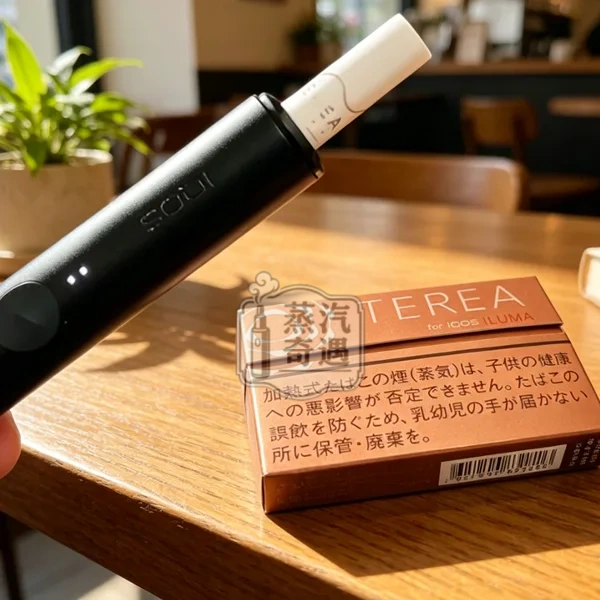
IQOS 煙彈適合誰?
首先,IQOS口味特別適合那些尋求減少煙害的吸煙者。對於想要戒煙或減少香煙攝取的人來說,IQOS 提供了一個相對較安全的選擇。此外,IQOS 對於健康意識較高的年輕族群也有吸引力,因為這些人群不僅重視健康,同時也追求生活品質。
市場競爭格局如何?
在台灣,台灣IQOS口味的主要競爭對手這些品牌也在積極佔據市場份額。根據市場調查,IQOS 在台灣的市場佔有率雖然不斷增長,但與傳統香煙仍有顯著差距。隨著越來越多消費者認識到減害吸煙的選擇,市場佔有率的變化趨勢可能會持續向上。

IQOS 煙彈和傳統香煙的比較
在健康風險方面,IQOS 煙彈相對於傳統香煙的優勢在於減少了有害物質的釋放。這意味著,對於希望減少健康風險的吸煙者來說,IQOS 是一個更安全的選擇。至於使用便利性,IQOS 的設計便於攜帶和使用,但其成本效益則視每位使用者的習慣而定。
如果你對不同的口味感興趣,可以參考IQOS 台灣 口味以尋找自己喜愛的選擇。
結語
總結來看,IQOS 煙彈是一種適合特定人群的替代產品,對於希望減少傳統香煙危害的消費者而言,提供了一個新的選擇。隨著市場的發展和消費者需求的變化,IQOS 仍有潛力成為一個重要的市場參與者。若你對 IQOS 的產品感興趣,可以考慮對ILUMA煙彈進一步了解。
選購音響時,除了音質與外觀,是否方便移動也是不少使用者關心的重點。MARSHALL 旗下產品涵蓋不同尺寸與定位,有些適合固定放在室內,有些則更強調便攜與無線使用。了解馬歇爾音響在不同場景下的特性,可以避免只看外型而忽略實際需求。
便攜式 MARSHALL 音響適合哪些人?
如果經常在房間之間移動音響,或有露營、旅行及戶外聚會需求,便攜式 MARSHALL 音響通常更加靈活。選擇時除了機身尺寸,也應比較重量、電池續航、充電方式與防護設計。體積較小的產品容易攜帶,但實際聲音規模與大型型號可能有所不同,因此需要在便攜性與聆聽需求之間取得平衡。
居家與戶外使用有哪些差異?
居家使用時,馬歇爾音響通常有較固定的擺放位置,可以優先考慮房間大小、音量需求及連接設備。戶外環境則更需要注意續航、攜帶方式以及產品對灰塵、水分的防護能力。並非所有 MARSHALL 型號都適合戶外使用,因此不能單憑品牌或外觀判斷。
如何根據使用場景挑選型號?
購買前可先列出最常使用的三種場景,例如臥室聽歌、客廳播放或週末戶外活動,再依照使用頻率決定產品定位。如果大多數時間固定在家使用,不一定需要為便攜功能增加預算;若經常外出,則應優先考慮重量與續航。具體尺寸、功能及防護規格可參考 MARSHALL 官網的型號資訊。
總結
Marshall音響的便攜性與使用場景密切相關。小型 MARSHALL 音響更適合移動與戶外需求,大型產品則更偏向固定空間使用。選擇馬歇爾音響時,從實際使用頻率、空間、續航及攜帶需求出發,會比單純比較尺寸或價格更有參考價值。
FCP_FAC_AD-6.5 Praxis Dumps & Reliable 6.5 Administrator Test Training Reviews
By dxyfqeb, 2026-09-13
二回機是近年來受到廣泛關注的加熱菸產品,許多吸煙者開始考慮使用這種新型設備來減少對健康的影響和節省開支。那麼,二回機真的能省錢嗎?使用過程中會遇到哪些誤區?這些問題都是潛在用戶非常關心的。

二回機真的能省錢嗎?
使用IQOS二回機的方式與傳統加熱菸相比較,其實是有不少不同之處。二回機透過二次加熱的方式來釋放尼古丁,這意味著每一口吸入的煙霧都較為濃郁而且口感較好。經過實際的使用效果分析,許多使用者發現,使用二回機後可以在煙彈的消耗上有所減少,從而在長期使用中節省一筆不小的開支。
使用二回機的常見誤區有哪些?
有些使用者對於二次加熱菸主機的操作還存在不少誤區,其中最常見的就是不知道二次加熱的最佳時機和方式。其實,合理的加熱時間可以確保煙彈的充分利用,避免因為過度加熱而造成的煙彈浪費。這樣不僅能提高使用效率,也能進一步節省開支。

適合誰使用二回機?
二回機 IQOS特別適合經常吸煙的人士。對於這類型的使用者來說,二回機的優勢在於其低煙霧和低氣味的特性,可以在某些場合更加隱蔽地使用。然而,對於偶爾吸煙者來說,使用IQOS二次機的成本和維護可能會顯得不划算,因為他們並不一定能夠充分利用煙彈。
結語
總結來說,二回機是對於經常吸煙者的有效選擇,但對於偶爾使用者來說,可能並不是最佳方案。在了解了上述要點後,相信你能做出最適合自己的選擇。如果你考慮購買,建議參考 IQOS 2回機 的評價和使用者心得。
全家加熱菸主機是以加熱方式使用菸草產品的設備,與傳統紙菸在使用方式及風味表現上有所不同。對已經有吸菸習慣的成年人而言,選購時可從主機規格、操作方式、口味選擇及清潔需求等面向評估。

全家加熱菸主機適合哪些使用者?
加熱菸全家主機較適合已經有吸菸習慣,並希望了解不同菸草產品使用方式的成年人。如果平時重視攜帶便利性、操作簡單或口味變化,可以進一步比較不同機型。不過,加熱菸仍含有尼古丁,並非無害產品,不吸菸者與未成年人不建議使用。
使用時有哪些情境?
使用前應先確認所在地的相關規定與場所政策,不宜將加熱菸視為可在所有室內或公共場所使用的產品。若重視風味變化,也可以依個人喜好挑選不同的全家加熱菸口味。
全家加熱菸主機怎麼選?
選擇全家加熱煙主機時,可比較電池續航、充電方式、機身尺寸、操作設計及相容產品。一體式主機通常操作較直覺;分體式設計則可能提供不同的搭配彈性,實際仍應依產品規格判斷。

需要清潔嗎?
不同主機的清潔方式有所差異,部分機型主打減少日常清潔需求,但仍建議依照產品說明定期檢查與保養,避免菸草殘留影響正常使用。
有哪些限制?
電池續航、充電時間、口味選擇及耗材取得便利性,都是購買前值得注意的條件。若想了解台灣全家加熱菸口味,建議先確認產品規格與實際供應情況,再選擇符合自身需求的款式。
Handling crypto assets across the Cosmos ecosystem requires constant interaction with independent app-chains. Each network requires separate addresses, node connections, and gas fee calculations for every transaction.
Setting up the leap wallet chrome extension https://leapwallet.cc/ resolves these routine friction points. The software links your browser directly to supported IBC networks, synchronizing balances and automating ledger interactions without manual RPC inputs.
Direct In-App Swaps and Liquidity Routing
Moving tokens between independent blockchains normally involves manual bridging contracts and wrapped assets. Modern interchain routing bypasses third-party portals by sending orders directly through on-chain automated market makers on Osmosis.
When converting ATOM to INJ, the internal router calculates the most liquid pool path to reduce slippage. The transfer completes natively between the two ledgers, depositing real network tokens directly into the recipient balance within seconds.
You retain self-custody throughout the entire execution phase. The interface presents slippage thresholds, gas limits, and expected arrival times before prompting for a signature.
Delegating Stake and Earning Network Rewards
Proof-of-stake networks rely on token holders delegating capital to independent validators who produce blocks. In return, delegators receive regular network inflation rewards distributed per block.
The delegation dashboard tracks active uptime percentages, commission cuts, and historical voting records for every validator. Evaluating these metrics helps users select stable node operators and avoid slashing penalties caused by unexpected server downtime.
Accumulated staking rewards across different networks can be claimed together in a single confirmation. This batching saves significant time and cuts routine gas expenses during portfolio compounding.
Instant Redelegation Mechanics
If an active validator increases commission rates unexpectedly, the instant redelegation tool moves active stake to another operator immediately.
This process completely bypasses standard 21-day unbonding periods. Your capital remains delegated and productive, generating continuous yields without missing a single block cycle.
Participating in Protocol Governance
Chain parameter adjustments, software upgrades, and community treasury disbursements depend on on-chain votes. Active governance proposals appear in the activity feed the moment they open for public voting.
Delegators inspect proposal text, track quorum progress, and submit choices on-chain. Casting an individual vote overrides the automatic choice submitted by the delegated validator, protecting individual governance authority.
Smart Contract Permissions and Local Key Storage
Connecting to money markets, liquidity vaults, and NFT platforms requires clear authorization controls. The connector decodes raw hexadecimal transaction data into readable text summaries before requesting approval.
Holders review exact token spending caps, recipient contracts, and network fee estimates prior to confirming transactions. Encrypted recovery keys remain stored locally on user hardware, preventing remote key extraction during active Web3 sessions.
I Built a Free Set of Tree-Care Calculators
I've always been interested in building small web tools that solve specific problems.
Recently, I started working on a project called TreeCostCalc, a collection of free calculators related to tree care and removal.
The idea was pretty simple: when someone is dealing with a tree removal, trimming, stump, or planting project, they often have to search through several different websites just to get a rough idea of the costs or measurements involved.
I wanted to put some of those calculations into simple tools that anyone could use.
The tools I've built
🌳 Tree Removal Cost Calculator
The first and main tool estimates the potential cost of removing a tree using factors such as tree size, trunk diameter, species, and location.
You can try it here:
It's only intended as a starting estimate. Actual prices can be very different depending on the property, accessibility, nearby buildings or power lines, local labor rates, and other factors.
🪵 Stump Removal Cost Calculator
After removing a tree, the stump can be another expense.
I built a separate Stump Removal Cost Calculator to help estimate that part of the project.
✂️ Tree Trimming Cost Calculator
Tree trimming isn't the same as tree removal, so I created another tool specifically for trimming costs.
The Tree Trimming Cost Calculator considers factors that can affect the price of a trimming job.
📏 Tree Height Calculator
I also wanted to include tools that aren't directly about cost.
The Tree Height Calculator helps estimate how tall a tree is based on measurements.
🌲 Tree Age Calculator
Tree age can be difficult to determine just by looking at a tree.
The Tree Age Calculator provides an approximate age using measurements and growth assumptions.
It's important to remember that this is an estimate rather than an exact measurement of a tree's age.
💰 Tree Value Calculator
I also built a Tree Value Calculator for people interested in estimating the potential value of a tree.
The calculation considers things such as size, species, condition, and location.
🌱 Tree Planting Cost Calculator
Finally, I added a Tree Planting Cost Calculator.
The idea is to look at the other side of tree care as well. Planting a tree has its own costs depending on the tree size, labor, and location.
Why I built it
This project isn't intended to replace professional tree-service estimates.
Tree work can be very different from one property to another, and an online calculator can't see things like difficult access, hidden roots, power lines, structural problems, or other hazards.
Instead, I wanted these tools to provide a quick starting point.
I'm also treating this as a learning project. I'm interested in seeing which tools people actually use, what information they need, and how the calculations can be improved over time.
I'll probably continue adding more tools and improving the existing ones.
You can see the complete collection here:
TreeCostCalc – Tree Calculators
If you've ever hired someone for tree removal, trimming, stump grinding, or planting, I'd be interested in hearing what you found most difficult to estimate before getting a professional quote.