
Blogs
Allergic Asthma Disease Market: Advancements, Treatment Trends, and Growth Outlook
By komal234, 2026-09-29
According to the latest report published by Data Bridge Market Research, the Bonding Films Market
CAGR Value
The Bonding Films Market report not only benefits to save valuable time but also adds credibility to the work that has been done to grow the business. By applying market intelligence for this market report, industry expert measure strategic options, summarize successful action plans and support companies with critical bottom-line decisions. To accomplish maximum return on investment (ROI), it’s very essential to be acquainted with market parameters such as brand awareness, market landscape, possible future issues, industry trends and customer behaviour where this Bonding Films Market report comes into play. Another major part of this Bonding Films Market report is the competitive landscape which gives a clear insight into the market share analysis and actions of key industry players.
Stay informed with our latest keyword market research covering strategies, innovations, and forecasts. Download full report: https://www.databridgemarketresearch.com/reports/global-bonding-films-market
Bonding Films Market Segmentation and Market Companies
Segments
- By Type: Epoxy, Acrylic, Polyurethane, Others
- By Application: Packaging, Electronics, Automotive, Medical Devices, Others
- By End-Use Industry: Food & Beverage, Electrical & Electronics, Automotive, Healthcare, Others
- By Region: North America, Europe, Asia-Pacific, Latin America, Middle East & Africa
The global bonding films market is segmented based on type, application, end-use industry, and region. In terms of type, the market is categorized into epoxy, acrylic, polyurethane, and others. Epoxy bonding films are widely used due to their high strength and excellent adhesion properties. Acrylic bonding films are known for their flexibility and weather resistance, making them suitable for outdoor applications. Polyurethane bonding films offer good impact resistance and durability, making them ideal for automotive and construction industries. In terms of application, the market is segmented into packaging, electronics, automotive, medical devices, and others. The packaging segment dominates the market due to the increasing demand for convenient and sustainable packaging solutions. The electronics segment is also witnessing significant growth due to the rising adoption of electronic devices. Automotive bonding films are in high demand for lightweight and high-performance bonding solutions. The medical devices segment is also showing considerable growth due to the increasing focus on healthcare advancements. Based on end-use industry, the market is divided into food & beverage, electrical & electronics, automotive, healthcare, and others. The food & beverage industry is a key consumer of bonding films for packaging applications. The electrical & electronics industry is a major end-user due to the growing demand for electronic devices. The automotive industry utilizes bonding films for various applications such as interior bonding, exterior bonding, and structural bonding. The healthcare industry relies on bonding films for medical device assembly and packaging.
Market Players
- 3M
- Henkel AG & Co. KGaA
- Avery Dennison Corporation
- Arkema
- H.B. Fuller Company
- Dow Inc.
- Sika AG
- Toray Industries, Inc.
- tesa SE
- Rogers Corporation
Key players in the global bonding films market include 3M, Henkel AG & Co. KGaA, Avery Dennison Corporation, Arkema, H.B. Fuller Company, Dow Inc., Sika AG, Toray Industries, Inc., tesa SE, and Rogers Corporation. These companies are actively involved in product development, strategic partnerships, and mergers & acquisitions to strengthen their market presence. 3M, a leading player in the market, offers a wide range of bonding films for various applications. Henkel AG & Co. KGaA focuses on innovation and sustainability to meet the evolving market demands. Avery Dennison Corporation is known for its advanced adhesive technologies for packaging and labeling applications. Arkema specializes in providing high-performance bonding solutions for the automotive and aerospace industries. H.B. Fuller Company offers a diverse portfolio of bonding films for industrial and consumer applications. Dow Inc. is a prominent player in the market with its innovative bonding solutions for different industries. Sika AG is known for its expertise in specialty chemicals and bonding technologies. Toray Industries, Inc. focuses on developing sustainable and high-performance bonding films. tesa SE is a key player in the market with its wide range of adhesive solutions. Rogers Corporation is a leading supplier of bonding films for the electronics and automotive industries.
DDDDDThe global bonding films market is anticipated to witness significant growth in the coming years due to the increasing adoption of bonding films across various industries. One key trend shaping the market is the growing demand for sustainable and eco-friendly bonding solutions. With a rising focus on environmental sustainability, manufacturers are increasingly investing in the development of green bonding films that offer high performance while minimizing environmental impact. This trend is likely to drive market growth as industries across the board seek environmentally friendly alternatives for their bonding needs.
Another factor driving market growth is the expanding application scope of bonding films. While traditionally used in industries such as packaging, electronics, automotive, and healthcare, bonding films are now finding new applications in emerging industries such as renewable energy, aerospace, and construction. The versatility of bonding films in offering strong adhesion, flexibility, and durability makes them a preferred choice for industries looking for reliable bonding solutions for diverse applications.
Furthermore, technological advancements in bonding film formulations are fueling market growth by enhancing their performance characteristics. Manufacturers are investing in research and development to introduce bonding films with enhanced properties such as high temperature resistance, chemical resistance, and faster curing times. These advanced bonding films are catering to the evolving needs of industries requiring specialized bonding solutions for challenging applications.
In addition, the increasing focus on lightweighting in industries such as automotive and aerospace is creating opportunities for bonding film manufacturers. As lightweight materials gain traction for their contribution to fuel efficiency and emissions reduction, bonding films play a crucial role in joining and bonding these materials effectively. The demand for bonding films that offer high strength-to-weight ratios and thermal stability is expected to rise in line with the lightweighting trend.
Moreover, the Asia-Pacific region is projected to emerge as a key market for bonding films due to rapid industrialization, infrastructure development, and increasing investments in sectors such as electronics, automotive, and healthcare. Countries like China, India, and Japan are witnessing robust demand for bonding films driven by the growing manufacturing activities and technological advancements in these regions. The presence of key market players, along with the adoption of advanced bonding technologies, is further supporting market growth in the Asia-Pacific region.
Overall, the global bonding films market is poised for steady growth driven by technological innovations, expanding application areas, sustainability trends, and regional market dynamics. Manufacturers focusing on product development and strategic collaborations are likely to capitalize on the growing demand for bonding films across diverse industries.The global bonding films market is experiencing significant growth with the increasing adoption of bonding films across various industries. One of the key drivers of this growth is the rising demand for sustainable and eco-friendly bonding solutions. Manufacturers are investing in the development of green bonding films that offer high performance while reducing environmental impact, catering to the growing focus on sustainability among industries. This trend is expected to boost market growth as companies seek environmentally friendly alternatives for their bonding needs.
Another factor fueling the market expansion is the broadening application scope of bonding films. While traditionally used in sectors like packaging, electronics, automotive, and healthcare, bonding films are now finding new applications in emerging industries such as renewable energy, aerospace, and construction. The versatility of bonding films in providing strong adhesion, flexibility, and durability makes them a preferred choice for industries looking for reliable bonding solutions for diverse applications.
Moreover, technological advancements in bonding film formulations are driving market growth by enhancing their performance characteristics. Manufacturers are investing in research and development to introduce bonding films with improved properties such as high temperature resistance, chemical resistance, and faster curing times. These advanced bonding films are meeting the evolving needs of industries that require specialized bonding solutions for challenging applications, further propelling market growth.
Additionally, the growing focus on lightweighting in industries like automotive and aerospace presents opportunities for bonding film manufacturers. As lightweight materials gain popularity for their contribution to fuel efficiency and emissions reduction, bonding films play a vital role in effectively joining and bonding these materials. The demand for bonding films offering high strength-to-weight ratios and thermal stability is expected to increase in alignment with the lightweighting trend, driving market growth further.
Furthermore, the Asia-Pacific region is positioned to emerge as a significant market for bonding films due to rapid industrialization, infrastructure development, and increasing investments in sectors such as electronics, automotive, and healthcare. Countries like China, India, and Japan are witnessing robust demand for bonding films propelled by manufacturing activities and technological advancements in these regions. The presence of key market players and the adoption of advanced bonding technologies are contributing to market growth in the Asia-Pacific region.
In conclusion, the global bonding films market is set for continuous growth driven by technological innovations, expanding application areas, sustainability trends, and regional market dynamics. Manufacturers focusing on product development and strategic collaborations are expected to leverage the increasing demand for bonding films across diverse industries, capitalizing on the evolving market opportunities for these versatile adhesive solutions.
Frequently Asked Questions About This Report
How is the Bonding Films Market responding to inflation?
What are the upcoming trends in the Bonding Films Market for niche applications?
What is the Consumer Sentiment Index for the Bonding Films Market?
What is the cost of non-compliance in the Bonding Films Market industry?
What is the projected impact of autonomous shipping on Bonding Films Market margins?
How is digitalization transforming the Bonding Films Market supply chain?
Why is the Asia-Pacific region expected to be the fastest-growing Bonding Films Market?
How does the Bonding Films Market impact Space Exploration?
How are Educational institutions adopting Bonding Films Market technologies?
How much is the Bonding Films Market expected to grow in absolute dollar terms between 2025 and 2033?
How is the Bonding Films Market evolving in terms of packaging and delivery?
How are top players using M&A to secure their value chain?
Which region has the highest per-capita spending on Bonding Films Market products?
Browse More Reports:
Asia-Pacific Espresso Coffee Market
North America Mobile C-Arm Equipment Market
Asia-Pacific Electrical Steel Market
North America Microalgae Market
Middle East and Africa Excipients Market
Europe Digital Farming Software Market
North America Data Center Busway Market
North America Botanical Extract Market
Europe Botanical Extract Market
Middle East and Africa Botanical Extract Market
North America Internet of Medical Things (IoMT) Market
Europe Oil Field Specialty Chemicals Market
North America Eggs Market
Europe Remote Sensing Technology Market
Middle East and Africa Remote Sensing Technology Market
Contact Us:
Data Bridge Market Research
US: +1 614 591 3140
UK: +44 845 154 9652
APAC : +653 1251 976
Email:- corporatesales@databridgemarketresearch.com"
AI-Assisted Intraoperative Decision Support Devices Market: Innovations and Growth Outlook
By komal234, 2026-09-29
According to the latest report published by Data Bridge Market Research, the Bioprocessing Systems Market
CAGR Value
Bioprocessing Systems Market report, businesses can acquire details about market drivers and market restraints which help them to guess about reducing or growing the production of particular product. It also arranges for top to bottom examination of the market for estimating income, return on investment (ROI) and developing business strategies. This Bioprocessing Systems Market research report comprises of the most significant market insights that takes business to the highest level of growth and success. Various trustworthy sources such as journals, websites, and annual reports of the companies, white papers, and mergers have been used for assembling data and information mentioned in this report.
Stay informed with our latest keyword market research covering strategies, innovations, and forecasts. Download full report: https://www.databridgemarketresearch.com/reports/global-bioprocessing-systems-market
Bioprocessing Systems Market Segmentation and Market Companies
Segments
- By Product Type: Bioreactors, Fermenters, Cell Culture Systems, Disposables, Accessories
- By Application: Monoclonal Antibody Production, Vaccine Production, Plant Cell Cultivation, Therapeutic Proteins, Stem Cells
- By End-User: Biopharmaceutical Companies, Contract Development and Manufacturing Organizations (CDMOs), Academic and Research Institutes
The global bioprocessing systems market is segmented based on product type, application, and end-user. In terms of product type, the market is categorized into bioreactors, fermenters, cell culture systems, disposables, and accessories. Bioreactors are expected to dominate the market due to the increasing demand for biopharmaceutical products. By application, the market is segmented into monoclonal antibody production, vaccine production, plant cell cultivation, therapeutic proteins, and stem cells. Monoclonal antibody production is anticipated to hold a significant market share owing to the rising prevalence of chronic diseases. Based on end-users, the market is divided into biopharmaceutical companies, contract development and manufacturing organizations (CDMOs), and academic and research institutes. Biopharmaceutical companies are projected to lead the market due to the growing investments in research and development activities.
Market Players
- Thermo Fisher Scientific
- Merck KGaA
- Sartorius AG
- GE Healthcare
- Danaher
- Eppendorf AG
- Applikon Biotechnology
- Bio-Rad Laboratories
- Lonza
- PBS Biotech
Key players operating in the global bioprocessing systems market include Thermo Fisher Scientific, Merck KGaA, Sartorius AG, GE Healthcare, Danaher, Eppendorf AG, Applikon Biotechnology, Bio-Rad Laboratories, Lonza, and PBS Biotech. These companies are focusing on strategic collaborations, partnerships, and product innovations to strengthen their market position. The market is highly competitive, with players emphasizing technological advancements and product development to meet the evolving needs of the biopharmaceutical industry. Increasing investments in bioprocessing systems and the growing demand for biopharmaceutical products are driving the market growth.
DDDDDThe global bioprocessing systems market continues to witness significant growth driven by several key factors. One of the primary drivers is the increasing demand for biopharmaceutical products due to the rising prevalence of chronic diseases worldwide. This demand is propelling the adoption of bioprocessing systems, particularly bioreactors, which are essential for the production of biopharmaceuticals such as monoclonal antibodies, therapeutic proteins, and vaccines. Moreover, advancements in bioprocessing technologies, such as the development of single-use disposable systems, are enhancing the efficiency and scalability of biopharmaceutical manufacturing processes, further fueling market growth.
In terms of applications, monoclonal antibody production stands out as a key segment driving market growth. Monoclonal antibodies have become increasingly important for the treatment of various diseases, including cancer, autoimmune disorders, and infectious diseases. The high specificity and efficacy of monoclonal antibodies make them a preferred choice for therapeutic interventions, thereby driving the demand for bioprocessing systems optimized for antibody production. Additionally, the growing emphasis on personalized medicine and targeted therapies is expected to further boost the demand for bioprocessing systems tailored for specific antibody production requirements.
The end-user segment of the market also plays a crucial role in shaping the demand for bioprocessing systems. Biopharmaceutical companies are the primary end-users of these systems, given their extensive involvement in drug development, production, and commercialization. These companies are investing significantly in research and development activities to introduce novel biopharmaceutical products into the market, driving the adoption of advanced bioprocessing systems. Moreover, contract development and manufacturing organizations (CDMOs) are emerging as key players in the bioprocessing systems market, offering outsourced biomanufacturing services to pharmaceutical and biotechnology companies looking to accelerate product development and commercialization.
The competitive landscape of the global bioprocessing systems market is marked by the presence of prominent players such as Thermo Fisher Scientific, Merck KGaA, and Sartorius AG, among others. These market players are focusing on strategic initiatives such as partnerships, collaborations, and product innovations to gain a competitive edge in the market. Technology advancements, such as the integration of automation, artificial intelligence, and data analytics into bioprocessing systems, are being explored to improve efficiency, reduce production costs, and enhance product quality. Overall, the global bioprocessing systems market is poised for robust growth driven by the increasing adoption of biopharmaceutical products, coupled with ongoing technological advancements and strategic efforts by key market players to meet the evolving needs of the biopharmaceutical industry.The global bioprocessing systems market is witnessing significant growth attributed to various factors driving the demand for biopharmaceutical products. With the prevalence of chronic diseases on the rise globally, there is an increasing need for advanced bioprocessing systems to cater to the production of biopharmaceuticals such as monoclonal antibodies, therapeutic proteins, and vaccines. Bioreactors are anticipated to play a crucial role in meeting this demand, as they are essential for the efficient production of biopharmaceuticals. The development of innovative technologies, including single-use disposable systems, is enhancing the scalability and productivity of biopharmaceutical manufacturing processes, further boosting market growth.
Monoclonal antibody production is a key application segment propelling the growth of the bioprocessing systems market. Monoclonal antibodies are pivotal in the treatment of various diseases due to their high specificity and efficacy, making them a preferred choice for therapeutic interventions. The emphasis on personalized medicine and targeted therapies is expected to drive the demand for specialized bioprocessing systems tailored for efficient antibody production. As a result, market players are focusing on developing advanced solutions to address the evolving needs of the healthcare industry and facilitate the production of high-quality monoclonal antibodies.
The end-user segment, particularly biopharmaceutical companies and contract development and manufacturing organizations (CDMOs), is significantly influencing the demand for bioprocessing systems. Biopharmaceutical companies are actively engaged in research and development endeavors to introduce novel biopharmaceutical products into the market, thereby driving the adoption of state-of-the-art bioprocessing systems. The emergence of CDMOs offering outsourced biomanufacturing services is also contributing to market growth by providing pharmaceutical and biotechnology companies with accelerated product development and commercialization solutions. These trends underscore the importance of strategic partnerships, collaborations, and continuous innovation in the competitive landscape of the bioprocessing systems market.
In conclusion, the global bioprocessing systems market is poised for substantial growth driven by the increasing demand for biopharmaceutical products, advancements in bioprocessing technologies, and strategic initiatives undertaken by key market players. The evolving landscape of the healthcare industry, with a focus on precision medicine and targeted therapies, is expected to further propel market expansion. By harnessing cutting-edge technologies and nurturing collaborations within the industry, stakeholders in the bioprocessing systems market can capitalize on emerging opportunities and address the dynamic requirements of the biopharmaceutical sector.
Frequently Asked Questions About This Report
What does the value chain for the Bioprocessing Systems Market look like?
How are tiered supplier networks managed in the Bioprocessing Systems Market industry?
How are companies diversifying their supply chains to drive growth?
What is the role of third-party logistics (3PL) in the Bioprocessing Systems Market?
What is the total addressable market (TAM) for Bioprocessing Systems Market solutions?
What is the projected valuation for the [Specific Segment] in the Bioprocessing Systems Market by 2033?
What is the projected market size of the Bioprocessing Systems Market in 2025?
What is the growth of the Bioprocessing Systems Market in Tier 2 cities in China?
Which raw material segment currently dominates the Bioprocessing Systems Market?
How are key players expanding their regional footprint in the Bioprocessing Systems Market?
How is the Bioprocessing Systems Market evolving in terms of packaging and delivery?
How is the Digital Twin technology impacting the Bioprocessing Systems Market value chain?
How is the supply chain of the Bioprocessing Systems Market being optimized?
Browse More Reports:
Europe Mammography Devices Market
North America Point-Of-Care Diagnostics Market
North America Weight Loss and Obesity Management Market
North America Loyalty Management Market
Asia-Pacific Loyalty Management Market
Middle East and Africa Dairy Alternative Market
Middle East and Africa Low-E (Low Emissivity) Glass Market
Europe Utility Locator Market
Asia-Pacific Deep Brain Stimulation Systems Market
Asia-Pacific Electrostatic Precipitator Market
Europe Refractive Surgery Devices Market
Asia-Pacific pH sensors Market
North America Bone Marrow Biopsy Market
Middle East and Africa Specialty Paper Market
Europe Espresso Coffee Market
Contact Us:
Data Bridge Market Research
US: +1 614 591 3140
UK: +44 845 154 9652
APAC : +653 1251 976
Email:- corporatesales@databridgemarketresearch.com"
Store management games are having a moment, and for good reason. They offer a satisfying blend of strategy and growth. But sometimes, you just want to unwind with something a little more whimsical, a little more… precarious. Enter the delightful world of physics-based casual games, and a prime example that’s been rolling around the internet is Eggy Car.
These games, often found in the "runner" or "endless" genre, are designed for quick bursts of fun, testing your reflexes and your understanding of gravity in surprisingly addictive ways. Eggy Car, in particular, has captivated players with its simple premise and surprisingly challenging gameplay.
What is Eggy Car?
At its core, Eggy Car is a charming physics-based game where your primary objective is to transport a precious egg across a bumpy, hilly landscape without cracking it. You control a tiny car, and within that car sits a very fragile egg. The landscape is a series of undulating slopes and sharp drops, making every bump a potential catastrophe for your delicate cargo. The further you go, the higher your score, and the more coins you collect to unlock new cars and eggs. You can try it out for yourself at Eggy Car.
The Art of Not Cracking
Playing Eggy Car is deceptively simple but mastering it requires a delicate touch.
- Acceleration and Braking: Your car has two main controls: accelerate and brake. Accelerating helps you climb hills, while braking can slow you down on descents or prevent the egg from bouncing too high.
- Balance is Key: The real challenge lies in maintaining balance. When going uphill, you might need a burst of speed, but as you crest the hill and descend, applying the brakes gently can prevent the egg from launching into the stratosphere (and then back down to its untimely demise).
- Anticipate the Terrain: Look ahead! The game’s landscape scrolls, so you can often see upcoming hills and valleys. This allows you to plan your acceleration and braking accordingly. A sudden dip might require you to slow down considerably to keep the egg from flying out.
Tips for a Perfect Omelette (or, Rather, Avoiding One)
Here are a few pointers to help you become an Eggy Car expert:
- Gentle is Gold: Avoid sudden, harsh movements. Smooth acceleration and gentle braking are far more effective than abrupt changes in speed. Think of it like handling a raw egg in real life – you wouldn't toss it around!
- Momentum Matters: Sometimes, a bit of momentum can help you over a small hump without needing excessive speed. Learn to "feel" the car's weight and how it interacts with the terrain.
- Upgrade Wisely: As you collect coins, you can unlock new cars and eggs. Some cars might have slightly different handling characteristics, and some eggs might be a little more resilient. Experiment to find what works best for your play style.
- Practice Makes Perfect: Like any skill-based game, the more you play, the better you’ll get at understanding the physics and anticipating the challenges. Don't be discouraged by a few cracked eggs; it's all part of the learning curve!
Conclusion
Eggy Car, and games like it, offer a refreshing break from more complex gaming experiences. They are easy to pick up, endlessly replayable, and provide a satisfying challenge that’s perfect for a few minutes of downtime. So next time you're looking for a dose of lighthearted fun, fire up Eggy Car and see how far you can take your precious cargo. Just remember to be gentle!
Guangzhou Fashion Supply Chain Sourcing Report 2027: Elevating Wholesale, Retail & Dropshipping with www.tangma2088.com (Formerly qiqiyg.com)
By tangma2088 official factory, 2026-09-29

Guangzhou Fashion Supply Chain Sourcing Report 2027: Elevating Wholesale, Retail & Dropshipping with www.tangma2088.com (Formerly qiqiyg.com)
“The physical location of high-end fashion sourcing remains firmly anchored in Guangzhou, China. As digital portals evolve, our supply chain infrastructure has consolidated under our brand-new operational domain:
www.tangma2088.com.
Official whatsapp:+8619859551206
Official Shipping Records and Reviews
This structural transition safeguards your trade flows, guaranteeing direct factory access and lightning-fast logistics.”
In the globalized fashion industry, finding a supplier that combines high-caliber craftsmanship, deep localized market insights, and optimized global shipping lanes is equivalent to finding gold. For years, professional buyers across the globe recognized the name qiqiyg.com as a reliable, direct portal to Guangzhou’s elite manufacturing hubs. Guangzhou, representing the absolute apex of the world’s clothing, footwear, luxury leather goods, and premium watch production, operates as a massive, high-efficiency ecosystem.

However, the digital entry points to these physical production pipelines can occasionally face administrative challenges. Due to unpreventable domain registry compliance restrictions—often classified as force majeure—the legacy web domain qiqiyg.com has ceased operations. To secure our clients’ trade continuity, the entire database, order system, and factory-direct API integrations have been transferred to our new primary platform: www.tangma2088.com.
This transition represents more than a domain change; it marks a massive upgrade in our data safety, website loading speeds, and overall technical infrastructure. We invite all long-term wholesale buyers, retail store owners, and dropshippers to bookmark www.tangma2088.com and continue leveraging our unmatched sourcing advantages.

An Unyielding Promise: Zero Downtime, 100% Core Value Preservation
In supply chain management, consistency is the absolute metric of reliability. While our digital address has changed, the underlying operational machinery of the qiqiyg brand remains completely intact and further optimized. Buyers can rely on 100% continuity in our core services:
Verified Communication: Our primary WhatsApp number remains unchanged: +86 19859551206. This chat line connects you directly to our bilingually trained sourcing managers, ensuring responses within minutes.
Guangzhou Direct Pricing: Because we operate directly alongside Sanyuanli leather tanneries, Shiling bag manufacturers, and Zhanxi sneaker/watch hubs, our competitive price structures remain locked at direct factory-floor rates.
Priority Shipping & Logistics: Our logistics channels continue to dispatch from our consolidated warehouse in Guangzhou. Utilizing direct-air lanes, we guarantee rapid delivery (averaging 8–12 calendar days to the US and Western Europe).
Three-Tier Quality Control (QA): Every single item continues to undergo strict quality checking before packaging. This includes material inspection, stitch-consistency audits, movement testing for watches, and structural verification for bags.
Deeper Local Market Insights: Leading the Fashion Frontlines in 2027
Sourcing fashion successfully is not just about keeping prices low; it is about predicting consumer trends and capitalizing on high-CTR (Click-Through Rate) trending items. Over the past year, we have significantly expanded our team of localized market researchers and trend analysts in Guangzhou. Operating from www.tangma2088.com, our trend-mapping capabilities are stronger than ever.

Guangzhou’s local markets represent the earliest signal indicators for global fashion. Because we sit at the intersection of material suppliers and fast-fashion factories, we can spot hot-selling styles, upcoming material preferences, and emerging design trends weeks before they surface on Western social media or bulk B2B sites like AliExpress or DHgate. We translate this ground-level data into real product catalogs, giving our buyers a distinct, highly profitable inventory edge.

📦 Guangzhou Sourcing & Quality Control Pipeline (2027 Updated)
Our supply chain structure follows a highly synchronized, strict path to guarantee that what you order is exactly what arrives at your doorstep:
1. Sourcing Desk (<2 Hours Response): You send a reference photo or link to our WhatsApp desk. We check direct stock and raw-material availability, providing an all-inclusive quote.
2. Assembly & Primary Inspection (1–2 Days): The product is retrieved from our partnered factory line and moved to our central Guangzhou warehouse.
3. Strict QA Check & Media Proof (Day 3): Our QA leads inspect stitching, leather grain, and zipper action. We can send video or photo verification via WhatsApp on request.
4. Double-Box Consolidation: Every bag, shoe, or watch is packaged with premium branded dust bags, boxes, and robust outer shipping boxes to prevent transit damage.
5. Express Global Dispatch (8–12 Days): The consolidated parcel is handed to our direct-air carriers, and a tracking number is automatically generated and sent to you within 24 hours.
Catering to Every Scale: Wholesale, Retail & Dropshipping
At www.tangma2088.com, we understand that different business models require completely distinct operational features. That is why we provide specialized support across three main industry categories:
1. Bulk B2B Wholesale Sourcing
For physical boutiques, large-scale e-commerce stores, and volume distributors, we provide tiered pricing catalogs. We handle bulk packaging consolidation, container-level air/ocean shipping, and full export documentation. Whether you are sourcing 50 watches, 200 bags, or 500 garments, our bulk procurement division delivers consistent material batches and deep volume discounts.
2. Premium B2C Retail Purchases
For individual buyers who appreciate luxury-level aesthetics and impeccable quality, we offer a dedicated retail service. We do not compromise on the packaging—your retail items arrive packaged in thick, flannel dust bags, robust structured presentation boxes, and a robust double-box structure.
3. High-Efficiency Dropshipping (Fulfillment)
For digital marketing teams and Shopify store operators, we offer complete blind-dropshipping solutions. Your customers will receive their orders with zero indication of Chinese factory origins—our shipping labels are completely white-labeled. We sync our warehouse inventory dynamically so you can sell with confidence, and we dispatch directly to end-consumers within 48 hours of order confirmation.
Sourcing Matrix Comparison
To help you evaluate your sourcing options, the table below highlights how our new unified infrastructure compares against traditional, fragmented B2B networks in China:
Sourcing Parameter Traditional Wholesale (DHgate / AliExpress) Legacy Portal (qiqiyg.com) Upgraded Platform (www.tangma2088.com)
Pricing Structure High middleman markups Direct-factory quotes Direct-factory + Volume discounts
Shipping Speeds 15–30 days (standard e-packet) 8–14 days (Express lines) 8–12 days (Guangzhou Priority Direct-Air)
QA Verification None (stock photos only) Manual photo verification Strict three-stage QA + Media Proofing
Dropshipping Support Difficult, standard parcel labels Manual blind-shipping Automated blind-shipping & white-label packages
Contact Availability Platform messaging only (slow) WhatsApp +8619859551206 WhatsApp +8619859551206 (24/7 Priority support)
💬 Ready to Place Your Next Order? Contact Us Now!
Whether you want to check active order tracking numbers, verify current product availability, or receive our latest 2027 wholesale catalog, our communication lines are open. Click below to chat directly with our team on WhatsApp.
Connect on WhatsApp (+8619859551206)
Next Steps for New and Returning Clients
To transition seamlessly into our new operational cycle, please perform these three simple steps:
Bookmark the New Domain: Update your procurement systems, browser bookmarks, and spreadsheets to link to www.tangma2088.com.
Notify Sourcing Teams: Inform your sourcing, purchasing, and marketing staff that the digital transition has been completed successfully and that qiqiyg’s legacy systems are retired.
Ping Our WhatsApp Support: Send a quick text to +8619859551206 so we can update your client profiles and keep your business records synchronized.
Legal and Trade Disclaimer: This supply chain report is co-published as an editorial sourcing analysis. The terms “qiqiyg” and “tangma” denote our unified fashion procurement brand entity. All references to high-fashion leather goods, footwear, and horology relate to our curated sourcing solutions. We operate in absolute compliance with trade regulations. We are independent of, and do not represent, any third-party fashion brands or trademarks. Service agreements, logistics guarantees, and quality standards are fully governed by terms accessible on www.tangma2088.com.
qiqiygofficial.x.yupoo.com
qiqiygreviews.x.yupoo.com
tangma2088 official whatsapp +8615060485455
tangma2088 official whatsapp +8613489598361
tangma2088 official whatsapp +8619859551206
tangma2088 official whatsapp +8618120605182
tangma2088 factory
tangma2088 store
tangma2088 online
tangma2088 vip
tangma2088 sourcing hub
tangma2088 proveedortop shop
tangma2088 factory wholesale.com
tangma2088 business
facebook mtangma2088
facebook qiqiyg tangma2088
facebook tangma2088 official
facebook tangma2088 qiqiyg
allmylinks tangma2088.com whatsapp
allmylinks tangma2088 contact
allmylinks tangma2088 official
sites.google tangma2088
sites.google tangma2088 official
instagram official tangma2088
instagram tangma2088 qiqiyg
x Tangma2088.com
tiktok qiqiyg whatsapp
tiktok tangma2088com
pinterest tangma2088 official
pinterest qiqiygtangma2088 bruce
tangma2088 yupoo
tangma2088 official yupoo
mqiqiyg yupoo
kingtmall yupoo
linkedin mtangma2088
linktr.ee/tangma2088
lnk.bio/tangma2088official
tangma2088 fashion shop
tangma2088 fournisseurfiable shop
tangma2088 official store
tangma2088 cc
tangmirbags
tangma2088 bulkbuy shop
tangma2088 qiqiyg cc
tangma2088 lieferanten shop
tangma2088 sourcing
tangma2088 official factory

How to Actually Know You're Getting a Good Deal (Without the Guesswork)
We've all been there. You're standing in a store, or scrolling through a sale page at midnight, staring at a big red "50% OFF" sign and trying to do the math in your head. Is it actually 50% off the price you think it is? Does the coupon stack with the sale? And once tax gets added back on, is this even the deal it looked like five minutes ago?
Most of us just... trust the sign. We see a big number, we feel good about it, and we buy. But here's the thing: retailers know exactly how persuasive a discount looks, even when the real savings are smaller than they appear. That's not necessarily shady — it's just marketing — but it does mean the burden is on us to actually check the numbers before we hit "buy now."
That's where a proper discount check comes in handy, and it's a habit worth building if you shop online even semi-regularly.
Why Mental Math Fails Us During Sales
Percentages are sneaky. Our brains are decent at estimating simple stuff — half off, a quarter off — but the moment a discount involves an odd number like 37% off, or two discounts stacked on top of each other, most of us just guess. And guessing during a sale almost always favors the store, not you.
Here's a classic example: an item is $80, and there's a 30% discount, plus an extra 10% off at checkout. A lot of people assume that's 40% off total. It's not. Because the second discount applies to the already-reduced price, the real total savings end up being less than a straight 40%. It's a small difference on paper, but multiply that across every "flash sale" you've fallen for, and it adds up to real money left on the table — or worse, real money spent on something that wasn't as discounted as you thought.
This is exactly the kind of situation where running a quick discount calculator saves you from a bad math day. Instead of trying to hold percentages and running totals in your head while a countdown timer is stressing you out, you plug in the numbers and get an honest answer in seconds.
The Habit of Checking Before You Click "Buy"
Think of a discount check the same way you'd think of checking a restaurant bill before you pay it. Most of the time, everything's fine. But every so often, something's off — an extra item was added, a price was misread, or in the case of online shopping, a "discount" was calculated from an inflated "original" price that was never really the going rate.
A quick check takes fifteen seconds. You look at:
- What the item actually costs before any discount
- What percentage or dollar amount is being taken off
- Whether there's a coupon code stacking on top of a sale price
- Whether tax gets added before or after the discount
Once you have those four things, you're not relying on the retailer's math anymore — you're doing your own, and it takes almost no effort if you've got the right tool for it.
Where a Discount Calculator Actually Helps
This is where a dedicated discount calculator earns its keep. Rather than fumbling with a phone calculator app and trying to remember whether you multiply or divide first, a purpose-built calculator handles the specific scenario you're dealing with.
Buying something with a straightforward percentage off? There's a calculator that just wants the original price and the discount percentage, and spits back your final price and total savings.
Got a coupon code instead of a store-wide sale? There's a version built specifically for that — one that handles both percentage-based and fixed-dollar-value coupons, so you're not trying to convert "$15 off" into a percentage yourself.
Dealing with more than one discount at once — say, a seasonal sale plus a loyalty discount plus a coupon? That's where a stacked discount calculator matters, because as mentioned earlier, discounts applied one after another don't simply add up the way our instincts tell us they should.
And if tax is part of the equation (which, let's be honest, it almost always is), a combined discount-and-tax calculator saves you from doing two separate calculations and hoping you didn't mess up the order of operations.
There's even a use case that most people don't think about until they need it: reverse-calculating. Maybe you see a sale price and want to know what the original price was, to judge whether the "sale" is even meaningful. A reverse discount calculator does exactly that — plug in the sale price and the percentage off, and it tells you what the item cost before the markdown.
Comparing Deals Instead of Guessing
One of the more underrated tools in this whole category is a deal comparison calculator. This is for the moment when you're choosing between two similar products at two different stores, each with its own discount, and you genuinely can't tell which one is the better buy just by eyeballing the percentages. One store might be offering 25% off a slightly higher listed price, while another offers 20% off a lower one — and without running the actual numbers, it's a coin flip which one wins.
Making It a Habit, Not a Chore
None of this requires becoming a spreadsheet person or carrying a calculator app open at all times. The point isn't to obsess over every purchase — it's to build a quick, low-effort habit of double-checking anything above a certain price point, or anything involving multiple discounts, coupons, or tax.
A site like Discount Meter exists specifically for this kind of moment — a free, no-sign-up collection of calculators covering everything mentioned here: sale prices, percentage-off math, coupon savings, stacked discounts, tax-adjusted totals, reverse calculations, and side-by-side deal comparisons. You don't need an account, your numbers stay in your browser, and it works just as well on your phone mid-scroll as it does on a laptop.
The next time a sale looks almost too good, it probably won't hurt to take fifteen seconds, run the actual numbers, and know for sure instead of assuming. It's a small habit, but it's the difference between shopping smart and just hoping the math works out in your favor.
North America Armored Vehicles Automatic Fire Extinguishing Systems Market Growth and Forecast to 2034
By sammkaran, 2026-09-29

Armored Vehicles Automatic Fire Extinguishing Systems typically combine fire detection sensors, control units, extinguishing agents, and strategically positioned discharge nozzles. The integrated configuration enables rapid response when a fire is detected.
The global Armored Vehicles Automatic Fire Extinguishing Systems Market was valued at US$ 106.11 million in 2025 and is projected to reach US$ 140.4 million by 2034, registering a CAGR of 3.16% during 2026–2034. The market is expanding as defense organizations and armored vehicle manufacturers prioritize crew protection, vehicle survivability, and rapid suppression of fires caused by ammunition, fuel, hydraulic systems, electrical components, and combat-related damage. Increasing modernization of armored fleets and integration of advanced fire detection and suppression technologies are supporting market development.
What is driving the market?
The growing emphasis on armored vehicle survivability and crew safety is a key factor driving demand for automatic fire extinguishing systems. Modern military vehicles operate in environments where fires can result from ballistic penetration, engine failures, fuel leakage, electrical faults, or thermal damage. Automatic systems can detect abnormal temperature or fire conditions and initiate suppression rapidly, reducing the potential for fire escalation and improving response time compared with manual intervention.
Defense modernization programs are also contributing to demand. Governments are investing in the upgrading and replacement of armored personnel carriers, infantry fighting vehicles, main battle tanks, and other protected platforms. These modernization programs increasingly incorporate integrated safety systems, including automatic fire detection and suppression technologies, as part of broader vehicle survivability packages.
Technological development is further influencing the market. Manufacturers are focusing on faster detection, improved sensing technologies, compact suppression equipment, reliable control units, and integration with vehicle electronics. However, high development and integration costs, stringent military qualification requirements, and the need to operate reliably under extreme vibration, temperature, and battlefield conditions remain important challenges.
Get a PDF Sample- https://www.theinsightpartners.com/sample/TIPRE00020701
Which region leads?
North America represents a significant market for armored vehicles automatic fire extinguishing systems, supported by defense modernization programs, extensive armored vehicle fleets, and continued investment in vehicle protection and survivability. The United States remains an important source of demand due to procurement and upgrade programs covering armored combat vehicles and related safety technologies.
Europe is another important market, supported by defense spending, armored vehicle modernization, and increasing emphasis on battlefield survivability. Countries are upgrading existing platforms while developing next-generation armored vehicles, creating opportunities for integrated fire detection and suppression solutions.
Asia Pacific is expected to provide significant growth opportunities as countries expand and modernize their armored vehicle fleets. Rising defense investments, regional security requirements, indigenous defense manufacturing, and upgrades to military platforms are supporting demand for vehicle protection technologies. Countries with large armored vehicle inventories are also investing in modernization solutions that improve survivability without requiring complete fleet replacement.
Which segment leads?
By Platform
- Combat Vehicles
- Combat Support Vehicles
- Unmanned Armored Ground Vehicles
By System
- Active
- Passive
Which companies are prominent?
The report identifies the following companies as prominent participants in the Armored Vehicles Automatic Fire Extinguishing Systems Market:
- Bulldog Direct Protective Systems Inc.
- Emerson Electric Co.
- Fire Protection Technologies Group
- General Dynamics Corporation
- Halma Plc
- Johnson Controls International Plc
- Marotta Controls Inc.
- N2 Towers Inc.
- Raytheon Technologies Corporation
- Rheinmetall AG
These companies participate across fire detection, suppression technologies, control systems, defense platforms, and specialized vehicle protection solutions. Competitive differentiation increasingly depends on detection speed, system reliability, integration capabilities, compliance with military standards, compact system design, and the ability to withstand demanding operational environments. The listed companies represent the competitive landscape and are not presented as a revenue-ranked market-share table.
What is changing in 2026?
The market is increasingly moving toward integrated and automated protection systems capable of detecting and responding to fire events with minimal human intervention. Armored vehicle manufacturers and defense organizations are placing greater emphasis on survivability technologies that can operate effectively during high-intensity missions and under severe environmental and mechanical conditions.
Modern systems are increasingly designed to integrate detection sensors, control units, suppression equipment, and vehicle electronics. This integration can support faster response and improved monitoring while enabling compatibility with increasingly sophisticated armored vehicle architectures.
Vehicle modernization is also creating opportunities for retrofit solutions. Defense forces can upgrade existing armored platforms with modern detection and suppression equipment rather than replacing entire vehicle fleets. This approach can support the extension of platform service life while improving safety and survivability capabilities.
What are the major investment opportunities?
Investment opportunities are emerging across advanced fire detection sensors, automatic suppression systems, electronic control units, and integrated vehicle safety technologies. Companies developing compact, lightweight, high-reliability systems can address the requirements of modern armored vehicles where available space, weight, and power consumption are important considerations.
Retrofit and modernization programs represent another opportunity. Large installed fleets of armored vehicles may require upgrades to meet evolving survivability and safety requirements. Suppliers capable of integrating new automatic fire extinguishing systems into legacy vehicle architectures can benefit from modernization spending.
Further opportunities exist in advanced sensing, digital monitoring, predictive maintenance, and connected vehicle safety systems. Technologies that provide real-time system status, fault identification, and maintenance information may improve operational readiness and lifecycle management.
Related Reports-
Armored Vehicle Market
About The Insight Partners
The Insight Partners is a leading market research and consulting firm delivering actionable insights through in-depth industry analysis and strategic intelligence. The firm supports clients across various industries in making informed business decisions by providing comprehensive market forecasts, competitive assessments, and growth opportunities.
Contact Us:
If you have any queries about this report or if you would like further information, please contact us:
Contact Person: Ankit Mathur
E-mail: sales@theinsightpartners.com
Phone: +1-646-491-9876
Bakery Processing Equipment Market to Reach US$ 22.08 Billion by 2034, Growing at a CAGR of 5.58%
By sammkaran, 2026-09-29
Bakery Processing Equipment includes mixers that combine flour, water, yeast, fats, and other ingredients to achieve consistent dough quality.
The global Bakery Processing Equipment Market is expected to register a CAGR of 5.58% during 2026–2034, with the market size expanding from US$ 13.55 billion in 2025 to US$ 22.08 billion by 2034. The market is expanding as commercial bakeries, food manufacturers, industrial baking facilities, and foodservice operators invest in automated equipment to improve production efficiency, consistency, hygiene, and throughput. Growth is supported by rising demand for baked foods, automation across bakery production lines, expansion of industrial bakeries, and the need to reduce labor-intensive processing activities.
What is driving the market?
Automation, increasing bakery production volumes, and demand for consistent product quality are major factors driving the bakery processing equipment market. Bakeries are adopting automated mixing, forming, depositing, proofing, baking, cooling, slicing, and packaging systems to improve productivity while reducing manual intervention. Equipment manufacturers are increasingly integrating automation and digital controls to support precise processing parameters, production monitoring, and operational efficiency.
The expansion of packaged bakery products is also contributing to equipment demand. Bread, rolls, cakes, pastries, cookies, biscuits, and other baked products require specialized processing technologies to maintain consistent texture, shape, weight, and quality. Industrial and large-scale bakeries are therefore investing in integrated processing lines capable of handling higher production volumes while maintaining standardized output.
Get a PDF Sample- https://www.theinsightpartners.com/sample/TIPMC00002654
Which region leads?
Europe remains an important market for bakery processing equipment, supported by its established bakery industry, strong presence of equipment manufacturers, and high consumption of bread, pastries, biscuits, and other baked products. Demand is also influenced by investments in automation, energy-efficient machinery, and modern production facilities.
Asia Pacific is experiencing increasing demand as urbanization, changing consumer lifestyles, expanding foodservice sectors, and rising consumption of packaged bakery products support the development of commercial and industrial bakeries. China, India, Japan, and other regional markets are creating opportunities for equipment suppliers as bakery manufacturers modernize production facilities and increase automation.
North America is supported by established commercial baking operations and continuing investments in automated production technologies. Bakeries are focusing on equipment upgrades that can improve throughput, product consistency, labor efficiency, and operational flexibility.
Which segment leads?
By Product Type
- Mixers
- Ovens & Proofers
- Dividers
- Pan Greasers
- Depositors
By Application
- Bread
- Cookies & Biscuits
- Cakes & Pastries
Which companies are prominent?
The competitive landscape includes equipment manufacturers offering technologies across mixing, forming, baking, processing, handling, and automated bakery production lines. Prominent companies identified in the market include:
- GEA Group AG
- Buhler Holding AG
- John Bean Technologies Corporation
- Ali Group S.r.L.
- Heat and Control, Inc.
- Rheon Automatic Machinery Co., Ltd
- Meyer Industries, Inc.
- Baker Perkins Ltd.
- Markel Food Group
- Anko Food Machine Co, Ltd.
These companies compete through equipment performance, automation capabilities, production capacity, customization, after-sales services, energy efficiency, and integration with broader food-processing systems. Manufacturers are also focusing on solutions that allow bakeries to improve production flexibility and accommodate changing product specifications.
What is changing in 2026?
In 2026, bakery processing is increasingly moving toward automated and digitally monitored production environments. Manufacturers are adopting equipment equipped with advanced controls, sensors, automated adjustment capabilities, and production-monitoring systems. These technologies can help operators maintain consistent processing conditions and identify operational issues more efficiently.
Energy efficiency is another important consideration. Industrial baking requires significant energy for heating and processing, encouraging manufacturers to develop ovens and associated equipment designed to improve thermal efficiency. Bakery operators are also evaluating machinery based on maintenance requirements, production uptime, equipment integration, and total operating costs.
Flexible production is becoming increasingly relevant as bakeries expand their product portfolios. Equipment capable of handling different dough types, shapes, sizes, recipes, and production volumes can help manufacturers respond to changing consumer demand without requiring completely separate production systems.
Related Reports-
About The Insight Partners
The Insight Partners is a leading market research and consulting firm delivering actionable insights through in-depth industry analysis and strategic intelligence. The firm supports clients across various industries in making informed business decisions by providing comprehensive market forecasts, competitive assessments, and growth opportunities.
Contact Us:
If you have any queries about this report or if you would like further information, please contact us:
Contact Person: Ankit Mathur
E-mail: sales@theinsightpartners.com
Phone: +1-646-491-9876
US Woodworking Tools Market Forecast to 2034: Industry Trends and Market Developments
By sammkaran, 2026-09-29

Woodworking Tools include saws, drills, chisels, planes, sanders, routers, and other equipment designed for different woodworking applications. Each tool serves a specific purpose and contributes to efficient material handling.
The global Woodworking Tools Market was valued at US$ 24.77 billion in 2025 and is projected to reach US$ 35.16 billion by 2034, registering a CAGR of 3.97% during 2026–2034. The market is expanding as professional woodworkers, furniture manufacturers, construction companies, contractors, and DIY users increase investment in tools that improve cutting precision, productivity, finishing quality, and operational efficiency. Growth is supported by furniture production, residential and commercial construction, renovation activity, woodworking automation, and demand for durable and ergonomically designed tools.
What is driving the market?
Growth in furniture manufacturing, construction, remodeling, and interior applications is a major driver of the woodworking tools market. Manufacturers and professional users increasingly require tools that deliver accurate cutting, drilling, shaping, sanding, routing, and finishing while reducing production time and material waste. Rising demand for customized furniture and specialized wood products is also encouraging workshops to expand their range of professional-grade equipment.
The market is also shifting toward cordless and power-assisted tools. Battery-powered saws, drills, sanders, routers, and other equipment provide greater mobility and reduce dependence on fixed electrical connections. Improvements in battery technology, brushless motors, electronic controls, and tool ergonomics are supporting adoption across professional and DIY applications. However, high costs for advanced equipment, maintenance requirements, and competition from lower-cost products remain important market constraints.
Get a PDF Sample- https://www.theinsightpartners.com/sample/TIPRE00027297
Which region leads?
North America represents a significant market for woodworking tools, supported by established furniture manufacturing, residential construction, renovation, professional contracting, and a large DIY user base. The region benefits from the presence of established tool manufacturers and distributors, as well as strong demand for cordless and high-performance power tools.
Europe also holds an important position, supported by its furniture manufacturing industry, precision woodworking capabilities, construction activity, and established woodworking equipment ecosystem. Germany and other European manufacturing centers contribute to demand for precision machinery and professional woodworking tools.
Asia Pacific is an important growth market as furniture production, construction, urbanization, and manufacturing activity continue to expand. China, India, Japan, and other regional economies provide opportunities for tool manufacturers through growing industrial woodworking and expanding residential and commercial construction. Increasing workshop modernization and adoption of power tools are further supporting regional demand.
Which segment leads?
By Product Type
- Power Tools
- Jigs
- Wood Pins and Plugs
By Application
- Industrial
- Commercial
- Residential
Which companies are prominent?
- Altendorf GmbH
- DeWalt
- FEIN Power Tools Inc.
- General Tools and Instruments LLC
- Hida Tool
- Kreg Tool Company
- Makita
- Milwaukee
- Ridgid
- Robert Bosch GmbH
These companies compete across power tools, hand tools, cutting equipment, sanding and finishing solutions, precision woodworking equipment, and professional workshop systems. Competitive differentiation increasingly depends on cutting accuracy, motor performance, battery technology, durability, ergonomics, safety features, product reliability, and integration across broader tool platforms. The identified companies represent the competitive landscape rather than a revenue-ranked market-share table.
What are the major investment opportunities?
Major opportunities exist in cordless woodworking tools, advanced cutting systems, ergonomic equipment, battery platforms, precision tools, and workshop modernization. Continued development of high-performance batteries and brushless motor technology can support new generations of portable saws, drills, sanders, routers, and other woodworking equipment.
Furniture manufacturing and customized woodworking provide additional opportunities as producers seek flexible equipment capable of handling diverse designs and smaller production batches. Demand for precision tools is particularly relevant where manufacturers need consistent dimensions, smooth finishes, and reduced material losses.
Asia Pacific offers considerable expansion potential because of its manufacturing base, growing furniture production, construction activity, and workshop modernization. North America and Europe provide opportunities linked to renovation, professional contracting, replacement demand, and adoption of advanced cordless tools. Investors and manufacturers should focus on solutions that combine performance, durability, safety, energy efficiency, and competitive ownership costs.
Related Reports-
About The Insight Partners
The Insight Partners is a leading market research and consulting firm delivering actionable insights through in-depth industry analysis and strategic intelligence. The firm supports clients across various industries in making informed business decisions by providing comprehensive market forecasts, competitive assessments, and growth opportunities.
Contact Us:
If you have any queries about this report or if you would like further information, please contact us:
Contact Person: Ankit Mathur
E-mail: sales@theinsightpartners.com
Phone: +1-646-491-9876
Vernal Höhenverstellbarer Schreibtisch – Die richtige Wahl für unterschiedliche Arbeitsstile
By Yumi877, 2026-09-29
Worauf kommt es beim Kauf eines höhenverstellbaren Schreibtisches an?
Die Auswahl an ergonomischen Büromöbeln wächst stetig. Wer heute nach einem neuen Schreibtisch sucht, findet zahlreiche Modelle mit unterschiedlichen Funktionen, Materialien und Größen. Doch welcher Schreibtisch passt wirklich zu den eigenen Anforderungen?
Ein schreibtisch höhenverstellbar sollte nicht nur optisch überzeugen, sondern vor allem den Arbeitsalltag langfristig erleichtern. Entscheidend sind eine stabile Konstruktion, eine komfortable Bedienung und genügend Platz für die täglichen Aufgaben. Gerade in Deutschland achten viele Käufer auf langlebige Qualität und ein ausgewogenes Verhältnis zwischen Funktionalität und Design.
Ein gut geplanter Arbeitsplatz verbessert nicht nur den Komfort, sondern kann auch die Konzentration und Organisation im Büroalltag unterstützen.

Elektrisch oder manuell – Welche Lösung ist sinnvoll?
Vor einigen Jahren waren manuelle Modelle weit verbreitet. Heute entscheiden sich jedoch immer mehr Nutzer für einen elektrisch höhenverstellbarer schreibtisch.
Der größte Vorteil liegt in der einfachen Bedienung. Mit nur einem Tastendruck lässt sich die Höhe innerhalb weniger Sekunden verändern. Wer regelmäßig zwischen Sitzen und Stehen wechselt, spart Zeit und integriert Bewegung ganz selbstverständlich in den Arbeitsalltag.
Besonders praktisch sind Modelle mit Speicherfunktion. Mehrere Nutzer oder verschiedene Arbeitshöhen können gespeichert werden, was den Komfort zusätzlich erhöht. Für Familien im Homeoffice oder gemeinsam genutzte Arbeitsplätze ist dies ein deutlicher Vorteil.
Warum sich viele Kunden für einen Vernal Schreibtisch entscheiden
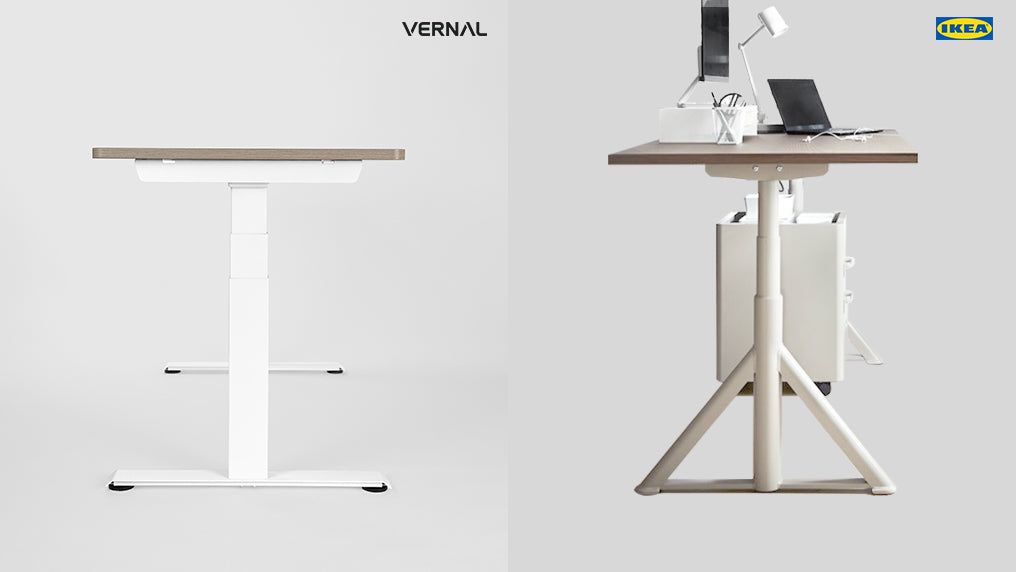
Ein Vernal schreibtisch verbindet modernes Design mit einer durchdachten Konstruktion. Statt ausschließlich auf technische Daten zu setzen, legt Vernal großen Wert auf die tägliche Nutzung.
Leise Motoren, stabile Tischgestelle und hochwertige Oberflächen sorgen dafür, dass der Arbeitsplatz auch nach vielen Jahren zuverlässig funktioniert. Gleichzeitig passen sich die schlichten Designs unterschiedlichen Einrichtungsstilen an – von modernen Wohnungen bis zu professionellen Unternehmensbüros.
Viele Käufer bevorzugen Möbel, die zeitlos wirken und sich auch bei einem späteren Umzug oder einer Büroerweiterung problemlos integrieren lassen.
Die passende Größe entscheidet über den Arbeitskomfort
Nicht jeder Arbeitsplatz benötigt dieselbe Tischgröße. Wer hauptsächlich mit einem Notebook arbeitet, stellt andere Anforderungen als jemand mit mehreren Bildschirmen.
Ein computer schreibtisch sollte ausreichend Platz für Monitor, Tastatur, Maus und persönliche Arbeitsunterlagen bieten. Gleichzeitig bleibt genügend Freiraum für eine angenehme Sitzposition.
Wer regelmäßig mit mehreren Geräten arbeitet oder kreative Projekte umsetzt, profitiert häufig von einem eckschreibtisch höhenverstellbar. Die zusätzliche Arbeitsfläche erleichtert das gleichzeitige Arbeiten mit verschiedenen Materialien und schafft mehr Übersicht.
Ein höhenverstellbares Tischgestell als nachhaltige Alternative
Viele Menschen besitzen bereits eine hochwertige Tischplatte, möchten jedoch die Vorteile moderner Ergonomie nutzen. Genau dafür eignet sich ein tischgestell höhenverstellbar.
Durch den Austausch des Gestells entsteht ein vollständig neuer Arbeitsplatz, ohne dass die vorhandene Platte ersetzt werden muss. Diese Lösung reduziert Materialverbrauch und ermöglicht gleichzeitig eine individuelle Gestaltung.
Vor allem Unternehmen modernisieren ihre Büros häufig schrittweise und entscheiden sich deshalb bewusst für flexible Gestellsysteme.
Massivholz oder moderne Dekorplatten?
Die Wahl des Materials beeinflusst sowohl die Optik als auch die Atmosphäre eines Arbeitsplatzes.
Ein schreibtisch höhenverstellbar massivholz vermittelt Natürlichkeit und Wertigkeit. Jede Holzplatte besitzt ihre eigene Maserung und macht den Arbeitsplatz einzigartig. Gleichzeitig überzeugt Massivholz durch eine lange Lebensdauer und hohe Stabilität.
Dekorplatten bieten dagegen eine größere Auswahl an Farben und Oberflächen. Welche Variante besser geeignet ist, hängt letztlich vom persönlichen Geschmack sowie vom Einrichtungsstil ab.
Viele Nutzer kombinieren natürliche Materialien mit moderner Technik, um ein harmonisches Gesamtbild zu schaffen.
Ergonomische Arbeitsplätze für Führungskräfte
Auch Manager und Unternehmer verbringen einen Großteil ihres Tages am Schreibtisch. Moderne Chefschreibtische verbinden deshalb repräsentatives Design mit ergonomischen Funktionen.
Große Arbeitsflächen erleichtern Besprechungen, Videokonferenzen und die Organisation umfangreicher Projekte. Gleichzeitig sorgt die Höhenverstellung dafür, dass auch während intensiver Arbeitstage ausreichend Bewegung möglich bleibt.
Ein hochwertiger Schreibtisch vermittelt zudem Professionalität gegenüber Kunden und Geschäftspartnern.
Wann lohnt sich ein Chefschreibtisch in L-Form?
Ein Chefschreibtisch in L-Form eignet sich besonders für Arbeitsplätze mit unterschiedlichen Aufgabenbereichen.
Auf einer Seite befindet sich häufig der Computerarbeitsplatz, während die zweite Fläche für Unterlagen, Besprechungen oder kreative Planungen genutzt wird. Dadurch entstehen kurze Wege und eine bessere Übersicht.
Diese Aufteilung ist besonders für Führungskräfte, Selbstständige oder Projektleiter interessant, die täglich zwischen verschiedenen Tätigkeiten wechseln.
Den Arbeitsplatz ganzheitlich betrachten
Ein ergonomischer Arbeitsplatz besteht aus mehreren Komponenten. Neben einem hochwertigen Schreibtisch spielt auch ein bürostuhl ergonomisch eine zentrale Rolle.
Der Stuhl sollte individuell einstellbar sein und Rücken sowie Lendenbereich optimal unterstützen. Ergänzt durch die richtige Monitorhöhe, ausreichende Beleuchtung und regelmäßige Bewegung entsteht ein Arbeitsplatz, der langfristig komfortabel genutzt werden kann.
Viele Unternehmen betrachten Ergonomie heute als festen Bestandteil moderner Arbeitsplatzgestaltung und investieren gezielt in hochwertige Büromöbel.
Fazit: Die beste Lösung orientiert sich am persönlichen Bedarf
Es gibt keinen perfekten Schreibtisch für alle – wohl aber den passenden Schreibtisch für unterschiedliche Arbeitsweisen. Deshalb lohnt es sich, vor dem Kauf die eigenen Anforderungen genau zu analysieren.
Ob ein kompakter computer schreibtisch für das Homeoffice, ein großzügiger eckschreibtisch höhenverstellbar, ein eleganter schreibtisch höhenverstellbar massivholz, ein flexibles tischgestell höhenverstellbar oder repräsentative Chefschreibtische – Vernal bietet vielseitige Lösungen für moderne Arbeitsplätze.
Wer zusätzlich auf einen bürostuhl ergonomisch achtet und sich für einen leistungsstarken elektrisch höhenverstellbarer schreibtisch entscheidet, schafft die Grundlage für gesundes, komfortables und produktives Arbeiten. Ein hochwertiger Vernal schreibtisch begleitet seinen Nutzer dabei über viele Jahre und passt sich den Anforderungen einer modernen Arbeitswelt zuverlässig an.
Disposable vapes have become a recognizable part of the modern vaping market, offering a compact device that is designed to be used until its contents are depleted and then discarded. Products such as the Jeeter disposable vape are often discussed in connection with convenience, flavors, nicotine delivery, and portability.
For anyone researching these products, however, the useful questions go beyond design or flavor. Understanding nicotine exposure, ingredients, device safety, dependence, and disposal can provide a clearer picture of what using a disposable vape actually involves.
What Is a Disposable Vape?
A disposable vape is a small electronic vaping device designed to deliver an aerosol when the user inhales. Unlike many reusable vaping systems, a disposable device generally isn't designed around replacing the e-liquid or maintaining a refillable tank.
The device typically contains a battery, heating element, liquid reservoir, and mouthpiece. When activated, the heating element warms the liquid and produces an aerosol for inhalation.
Although disposable devices can look simple, their contents and specifications can vary substantially between products. Consumers shouldn't assume that two devices with similar appearances have identical ingredients, nicotine concentrations, or operating characteristics.
Understanding Nicotine Exposure
One of the most important considerations with many vaping products is nicotine.
Nicotine is an addictive substance, and repeated exposure can lead to dependence. People who don't currently use nicotine generally have no health benefit from starting to vape.
For existing nicotine users, switching between cigarettes, vaping products, or other nicotine products can change the pattern of exposure, but that doesn't make vaping risk-free. People should avoid assuming that a product is harmless simply because it doesn't produce conventional cigarette smoke.
Why Flavors Can Be Misleading
Disposable vapes are commonly associated with a wide range of flavors. Fruit, mint, dessert, and other flavor descriptions can make a product sound similar to ordinary food or beverages.
That comparison shouldn't be taken literally. Flavoring a vaping liquid doesn't make inhaling the resulting aerosol equivalent to eating or drinking the same flavor.
Consumers should pay attention to the actual product information rather than judging safety based on flavor names or packaging.
Device Quality and Safety Matter
Electronic devices can present risks when batteries or internal components are damaged, defective, improperly stored, or exposed to unsuitable conditions.
A disposable vape shouldn't be modified, punctured, opened, or deliberately damaged. Users should also follow the manufacturer's safety information and keep electronic vaping devices away from children and pets.
Signs of physical damage, unusual heating, leakage, or other unexpected behavior are reasons to stop using a device rather than attempting an improvised repair.
Disposable Does Not Mean Environmentally Harmless
The word “disposable” describes the intended use of the device, but it doesn't mean the device disappears after use.
Disposable vapes contain electronic components and batteries as well as residual materials. Throwing them into ordinary waste can create disposal problems because batteries and electronic components require appropriate handling.
Local recycling and electronic-waste rules should be checked before disposing of a used device. Users shouldn't burn, dismantle, or puncture disposable vaping products.
Vaping and Smoking Are Not the Same Thing
Vaping and traditional smoking involve different devices and processes, but the distinction shouldn't be confused with a claim that vaping is harmless.
Cigarettes burn tobacco and produce smoke containing numerous harmful substances. Vapes heat a liquid to create an aerosol instead. The two products therefore have different exposure profiles, but inhaling vape aerosol can still expose users to substances that may have health effects.
Anyone who doesn't use nicotine should not begin vaping simply because it is perceived as a safer lifestyle product.
Recognizing Nicotine Dependence
Regular nicotine use can become difficult to stop. Someone may notice cravings, irritability, difficulty concentrating, or a strong desire to use nicotine after periods without it.
Dependence can develop gradually, making it easy to underestimate how frequently a device is being used. Keeping track of when and why vaping occurs can help someone recognize whether use has become habitual.
People who want to stop nicotine use can discuss cessation options with a qualified healthcare professional or an appropriate local health service.
Questions Worth Asking Before Using a Disposable Vape
Anyone researching a disposable vape should look beyond appearance and marketing. Useful questions include:
- Does the product contain nicotine?
- Is the ingredient and nicotine information clearly provided?
- Is the product legally sold in the relevant jurisdiction?
- Are there clear manufacturer instructions?
- What are the battery and storage precautions?
- How should the device be disposed of?
- Is vaping affecting an existing effort to reduce or stop nicotine use?
These questions provide more meaningful information than simply comparing flavors or packaging.
A Practical Perspective on Disposable Vaping
The convenience of a small, ready-to-use device can make disposable vaping seem uncomplicated. The health and safety considerations are less simple.
Nicotine dependence, inhalation exposure, battery safety, and electronic waste all deserve attention. People who don't currently use nicotine have a straightforward reason not to begin, while people who already use nicotine and want to stop can consider evidence-based cessation support.
The most responsible approach is to understand what the device contains, recognize the potential for dependence, follow safety instructions, and avoid treating vaping as risk-free.
Final Thoughts
The jeeter disposable vape is part of a broader category of disposable vaping products that combine an electronic heating system with a pre-filled liquid reservoir. Understanding the product category requires looking beyond convenience and flavor to consider nicotine, dependence, device safety, and disposal.
For anyone considering vaping, accurate information is more valuable than promotional claims. Knowing the potential risks and available alternatives makes it easier to make an informed decision about nicotine use.