
Blogs
Founder Branding Agency: Build a Reputation That Grows Your Business
By narrativekeymedia, 2026-10-26
In today’s competitive business environment, a founder’s reputation can become an important part of a company’s identity. Customers, investors, employees, partners, and industry professionals often want to understand the person behind a business. A strong founder presence can therefore complement the company brand and create a more recognizable connection with its audience. This is where a professional founder branding agency can play an important role.
Why Founder Branding Matters
Founder branding is more than creating an impressive biography or maintaining an active social media profile. It involves developing a clear professional identity and communicating the founder’s experience, values, expertise, and perspective consistently.
For startups and growing companies, the founder can become an important representative of the organization. A well-developed professional presence can help communicate the vision behind the business and provide audiences with greater context about its journey.
Narrative Key Media helps founders develop strategic narratives that connect their professional identity with their broader business objectives.
Turning a Founder’s Story Into a Narrative
Every founder has a different journey. Some have identified an overlooked market opportunity, while others have built businesses from personal experiences or industry challenges. These stories can provide valuable material for developing a compelling founder narrative.
A founder branding strategy can transform these experiences into articles, interviews, social media content, podcasts, newsletters, and media opportunities. The goal is to communicate authentic experiences rather than produce generic corporate messaging.
When the founder’s story is consistent across different channels, audiences can more easily understand their expertise and professional perspective.
Creating Content That Sounds Authentic
Founder content should reflect the individual behind the business. Generic posts that could have been written by anyone rarely communicate what makes a founder distinctive.
Ghostwritten articles and posts can be useful when they are based on the founder’s genuine ideas, experiences, and opinions. A strategic content process can capture the founder’s voice and translate their knowledge into material that provides value to the intended audience.
Narrative Key Media focuses on developing content that supports a founder’s positioning while maintaining an authentic professional narrative.
Expanding Visibility Beyond Social Media
A founder’s professional reputation does not have to depend entirely on social media. Podcasts, conferences, industry panels, interviews, contributed articles, and media features can create additional opportunities to communicate expertise.
These platforms can introduce founders to audiences beyond their existing networks. They can also provide opportunities to discuss industry trends, business challenges, innovation, entrepreneurship, and lessons learned along the way.
A coordinated approach ensures that different appearances and content formats contribute to a consistent professional identity.
Building Trust With Key Audiences
Founder branding can be particularly relevant when a company is building relationships with different stakeholder groups. Investors may want to understand the founder’s vision, employees may connect with leadership values, and potential customers may be interested in the people responsible for developing a product or service.
A clear founder narrative can help communicate these elements without turning every interaction into a direct sales pitch.
The objective is to establish familiarity and credibility through consistent communication over time.
Founder Branding Is a Long-Term Strategy
A professional reputation is rarely created through a single campaign. It develops through repeated exposure to useful ideas, consistent messaging, relevant media participation, and meaningful industry engagement.
This is why effective founder branding should be viewed as an ongoing process rather than a one-time profile makeover. As a business grows, the founder’s positioning can evolve alongside new experiences, achievements, markets, and areas of expertise.
A long-term strategy allows the founder to remain relevant while maintaining a recognizable professional narrative.
How Narrative Key Media Supports Founders
Narrative Key Media combines storytelling, content development, personal branding, and media visibility to help founders communicate their expertise more effectively.
Its founder branding services can support professional positioning through founder stories, ghostwritten content, interviews, media opportunities, podcasts, industry events, and other communication channels.
The approach focuses on developing a narrative that connects the founder’s personal experience with the subjects they want to be recognized for.
From Reputation to Business Opportunities
A strong founder presence can support broader professional visibility. As audiences become familiar with a founder’s ideas and expertise, opportunities for partnerships, speaking engagements, media interviews, networking, and business conversations may develop.
However, effective branding is not about making promises or chasing attention. It is about consistently communicating useful perspectives and building recognition among relevant audiences.
Over time, this can create a professional reputation that supports the broader business.
Conclusion
A founder’s reputation can be a valuable extension of a company’s brand. Developing that reputation intentionally requires more than occasional posts or a polished biography. It requires a clear narrative, authentic content, strategic positioning, and consistent visibility across relevant platforms.
A professional founder branding agency can help turn a founder’s experience and expertise into a structured communication strategy. With Narrative Key Media, founders can develop stories and content that reflect who they are while creating opportunities to participate in important industry conversations.
Explore narrativekeymedia.com to learn more about founder branding, personal positioning, media relations, and strategic visibility services.
The transformation of the Irish pub and casual dining menu over the last ten years has been nothing short of remarkable. The days of accepting a dry carvery lunch or a basic plate of chips as the standard offering are entirely gone. Today's diners are highly educated about food, expecting restaurant-quality meals even in the most relaxed environments. At the very centre of this culinary shift is the premium burger, which has evolved from a simple fast-food staple into a sophisticated dish that serves as a benchmark for a kitchen's true capability. The burger is completely transparent; there is nowhere to hide poor ingredients or lazy preparation. Every single element, from the fat ratio in the beef patty to the acidity of the pickles, must be carefully considered to create a perfectly balanced bite.
When analysing what actually makes a memorable burger, many chefs focus entirely on the protein, spending weeks sourcing the perfect dry-aged beef or developing complex custom grinds. While the meat is undeniably important, structural integrity and flavour of the bread are frequently overlooked, which is a massive mistake. A poor choice of bread will completely ruin an otherwise excellent plate of food. If a bun is too dry, it crumbles into pieces upon the first bite; if it is too dense, it overshadows the delicate flavour of the meat and leaves the diner feeling uncomfortably full. The bread is the very first thing the customer touches and tastes, setting the expectation for the entire meal. It is the foundation that holds the entire complex construction together.
To meet the rising expectations of modern diners, commercial kitchens across the country have largely abandoned cheap, highly processed white rolls in favour of rich, enriched doughs. The demand for Wholesale Brioche Buns has skyrocketed, and for very good reason. An authentic brioche provides a buttery, slightly sweet contrast that cuts beautifully through the heavy, savoury fat of the meat and the sharp tang of the sauces. Visually, the glossy, golden-brown crust looks spectacular on a plate, immediately communicating a sense of premium quality before the customer has even picked it up. It is an ingredient that instantly elevates the perceived value of the dish, allowing restaurants to command a higher price point while delivering a superior eating experience.
Creating a proper enriched dough is an exercise in complex food science and immense patience. The baker must carefully balance a very high percentage of butter and eggs against the flour, forcing the dough to absorb the fat without collapsing the gluten structure. It requires slow, cold fermentation to develop the correct flavour profile and a delicate touch during the shaping process to ensure an even rise. When baked correctly, the resulting crumb is incredibly soft and yielding, yet resilient enough to hold rich, heavy sauces and meat juices without disintegrating into a soggy mess. Achieving this delicate balance of softness and structural strength is incredibly difficult to do consistently in a hot, humid, and chaotic restaurant kitchen.
From a kitchen management perspective, attempting to bake bread in-house is rarely a sensible financial decision. The process demands significant dedicated bench space, highly specific temperature controls, and hours of intensive labour that pull chefs away from preparing other profitable menu items. By sourcing bread externally from a specialist supplier, the head chef removes a massive layer of daily stress and unpredictability from the prep schedule. It allows the kitchen team to focus entirely on executing flawless service, knowing that the foundation of their most popular dish is already secured. Furthermore, purchasing a finished product locks in the exact unit cost, protecting the restaurant from the hidden financial drain of failed batches and wasted ingredients.
The sensory experience of eating a properly constructed burger relies heavily on the physical properties of the bread. When a chef lightly toasts the inside of a high-quality bun, it creates a subtle barrier that prevents the sauces from soaking through too quickly. As the diner takes a bite, the soft dough compresses easily, allowing them to taste all the carefully layered components simultaneously, rather than fighting through a tough, chewy exterior. The subtle sweetness of the butter and egg mixture lingers on the palate, perfectly complementing the salty, umami-rich flavours of the beef and cheese. It is this attention to the minor details of texture and taste that turns a casual meal into an exceptional dining experience.
Maintaining a reputation for excellence requires a kitchen to perform consistently, whether it is a quiet Tuesday afternoon or a heavily booked Saturday night. Partnering with a dedicated bakery supplier guarantees that the quality of your most popular menu item never fluctuates, regardless of how busy the kitchen becomes. It provides the peace of mind that comes with a reliable morning delivery of perfectly shaped, freshly baked bread, ready to be filled and served to eager customers. By investing in superior ingredients sourced from specialists, a restaurant demonstrates a genuine commitment to quality that builds strong, long-lasting customer loyalty in a highly competitive market.
Conclusion
The quality of the bread you serve is just as important as the meat you carefully source for your menu, acting as the foundation for the entire dining experience. Upgrading to a premium, professionally baked enriched dough elevates your dishes, improves your kitchen efficiency, and demonstrates a clear commitment to excellence that modern diners actively look for and appreciate.
Call to Action
Upgrade your restaurant menu with our beautifully crafted, locally baked enriched breads, designed specifically to hold up to the demands of a busy commercial kitchen. Speak with our wholesale team today to arrange your first fresh delivery and taste the difference for yourself.
Visit: https://novaksbakery.com/
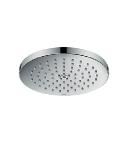
Your morning shower has been hiding something from you: the perfect temperature is out there, and most of us never find it on the first try. Instead, we twist the handle, flinch at the cold, overcorrect into scalding, and repeat. What if one push started the water and one turn set the flow, with no guesswork? That's the promise of SmartControl, and it has plenty of Canadian homeowners rethinking what a shower valve should do.
But is it truly better than the standard valve hiding behind your tile? We've broken it down by how each one works, where each wins, and how to choose, so you can decide with confidence before you renovate.
How the Two Systems Work
A standard valve is usually a single handle (pressure-balance) or a pair of handles that blend hot and cold. You turn it on, then keep adjusting until the temperature feels right.
SmartControl splits the jobs. You push a button to start or stop the water, turn a handle to adjust flow, and set temperature separately. Whether you connect a grohe shower head, a hand shower, or body jets, the valve is the brain that decides how the water is delivered.
Key Differences at a Glance
- Operation: Push to start and stop, turn for flow, versus one handle doing everything.
- Temperature: Set it once and it stays put, versus re-adjusting every time.
- Outlets: Can run multiple outlets from one control, while standard valves are often limited to one or two.
- Design: Clean, minimal, modern, versus a traditional handle trim.
- Installation: Needs more planning at rough-in, versus a simple, familiar setup.
Where SmartControl Wins
- Steady temperature: Thermostatic technology helps hold your setting when pressure changes elsewhere in the house, like when someone flushes or runs the dishwasher.
- Easier to use: A push and a turn work well with wet, soapy hands, which helps kids and older family members.
- Less wasted water: Pausing the flow while you lather or shave takes a single press, and your temperature is waiting when you resume.
- Flexibility: Switching between a rain head and a hand shower feels effortless.
When a Standard Valve Still Makes Sense
SmartControl isn't automatically the right call. If you're updating a basic guest bath, working with a tight budget, or simply replacing a worn valve in a rental, a quality pressure-balance valve does the job reliably. It's also familiar to every plumber, which keeps repairs simple.
Choosing the Right Setup
Follow these steps to match the valve to your bathroom:
- Check your wall depth. Confirm the rough-in space suits the valve and the trim you want.
- Decide on your outlets. Pick the combination you'll actually use, such as one rain head plus a hand shower.
- Match the fixtures to your flow. A grohe shower head should suit your home's water pressure and the flow rate you prefer, so check the specs before you buy.
- Hire a licensed plumber. They'll follow local code and make sure everything is sealed correctly behind the wall.
Planning a Full Bathroom Upgrade
If you're already opening up walls, this is the best moment to upgrade the valve. Adding a wall hung toilet, for example, means framing an in-wall carrier and rerouting plumbing, so roughing in your shower valve at the same time saves labor and keeps you from tearing into tile twice. A little planning now can cut both cost and mess.
Conclusion
For most households, yes, SmartControl is the better choice. It gives you steadier temperatures, simpler operation, and more flexibility, especially in a bathroom you plan to keep for years. A standard valve still earns its place in budget-friendly or low-use spaces, but if comfort and
New Fortinet NSE7_CDS_AR-7.6 Learning Materials | NSE7_CDS_AR-7.6 Valid Exam Forum
By ucokump, 2026-10-26
The Fortinet NSE7_CDS_AR-7.6 https://www.passleadervce.com/Fortinet-NSE-7/reliable-NSE7_CDS_AR-7.6-exam-learning-guide.html Public Cloud Security Architect exam targets senior security architects who design, deploy and troubleshoot Fortinet security workloads across public cloud platforms. It covers cloud-native security architecture, FortiGate cloud deployment, CNAPP risk management, workload protection, automation integration and cross-cloud troubleshooting. Many cloud security specialists struggle to locate up-to-date resources that match the complex scenario questions, and generic guides often leave critical exam domains uncovered. Our new NSE7_CDS_AR-7.6 learning materials and valid exam forum are built to fill this gap.
Our NSE7_CDS_AR-7.6 question bank keeps the latest updates aligned with the official exam blueprint. Every practice question is reviewed by Fortinet cloud security experts and paired with thorough explanations for configuration choices and fault resolution. This resource is 100% effective for targeted review, and our users consistently achieve a high passing rate after regular practice. The questions mirror the real exam’s difficulty and practical cloud scenarios, helping you evaluate security design trade-offs just like on test day.
The valid exam forum lets you connect with other candidates, share insights and clarify tricky topics while you practice. Combined with our learning materials, you can run timed mock exams to simulate the real testing environment. After each practice attempt, detailed performance reports mark your weak knowledge areas, guiding you to focus extra effort on high-weight topics such as cloud segmentation, compliance controls and threat detection workflows. The materials support flexible study on laptops, tablets and mobile devices, fitting into busy cloud project schedules.
With our verified NSE7_CDS_AR-7.6 learning resources and peer support from the exam forum, you can build solid architectural confidence. If you master the questions and supporting explanations, you can ensure you pass the NSE7_CDS_AR-7.6 exam on your first try. Stop relying on incomplete, unvetted online resources. Start your Fortinet public cloud security architect preparation today.
Market Outlook and Key Statistics
The Wound Care Market was valued at USD 21.78 billion in the 2025 base year and is projected to reach USD 22.91 billion in 2026, the forecast start year, before reaching USD 34.64 billion by 2034. According to Polaris Market Research, the market is expected to grow at a compound annual growth rate (CAGR) of 5.3% during the 2026–2034 forecast period. Demand is supported by the prevalence of chronic wounds, rising surgical procedure volumes, an aging population, and adoption of advanced wound-management technologies.
Product Innovation and Clinical Needs
Advanced wound care accounted for approximately 39.12% of the market in 2025. These products are designed to support healing and help manage moisture and infection risk in complex wounds. Advanced wound dressings are relevant to hospitals, clinics, and home-care settings where clinicians need products suited to different wound types and healing stages. Foam dressings and antimicrobial dressings together held around 36.87% of the market in 2025, reflecting demand for moisture balance and infection protection.
Traditional wound care products remain part of treatment pathways, while negative pressure wound therapy and wound care devices provide options for selected complex cases. The report identifies high costs associated with advanced technologies as a constraint, particularly in cost-sensitive healthcare systems. Procurement decisions therefore involve balancing clinical needs, product performance, availability, and the resources required to use a technology effectively.
Chronic Wounds and Care Delivery
Chronic wound care represented approximately 42.66% of the market in 2025. Diabetes and vascular disorders contribute to the need for ongoing treatment, including care for diabetic foot ulcers and pressure sores. Chronic wound management often requires repeated assessment, infection prevention, and coordinated care over time. Product selection depends on wound characteristics and the care setting, with advanced dressings and negative pressure systems among the treatment approaches described in the report.
Hospitals were the leading end-user segment, accounting for about 46.21% in 2025. Hospitals manage high patient volumes and complex wounds associated with surgery and chronic conditions. Negative pressure wound therapy is used in relevant treatment pathways. Home healthcare is projected to grow at approximately 9.8% CAGR during the forecast period as care shifts toward outpatient and home-based settings, creating demand for practical solutions that can be used beyond hospitals.
Read More @ https://www.polarismarketresearch.com/industry-analysis/wound-care-market
Regional Outlook and Competitive Landscape
North America dominated the market in 2025, with a 43.21% share. The report links its position to established healthcare infrastructure and adoption of advanced wound care. Asia Pacific is identified as the fastest-growing region, supported by healthcare investment and expanding medical infrastructure. Other regions covered include Europe, Latin America, and the Middle East and Africa.
Key companies include B. Braun Melsungen AG, Baxter International Inc., Cardinal Health, Inc., Coloplast A/S, ConvaTec Group Plc, Integra LifeSciences Holdings Corporation, Johnson & Johnson Services, Inc. (Ethicon), Medtronic plc, Medline Industries, LP, Mölnlycke Health Care AB, Paul Hartmann AG, Smith & Nephew plc, Solventum Corporation, URGO Medical, and 3M Company. Competition spans advanced dressings, antimicrobial products, negative pressure systems, and bioactive wound-management solutions.
Business Considerations
Healthcare providers and procurement leaders should evaluate products against patient needs, clinical protocols, staff training, and implementation requirements. Antimicrobial dressings may be considered when infection protection is a priority, while product selection should remain aligned with clinical assessment and intended use. The report also highlights smart dressings and digital monitoring as emerging technology areas. Adoption decisions should consider workflow fit, cost, and practical clinical value.
More Trending Latest Reports By Polaris Market Research:
top-10-next-generation-sequencing-companies
hydrogen-fuel-cell-vehicle-market
top-5-companies-advancing-safety-in-anesthesia-delivery-devices
packaged-wastewater-treatment-market
clean-label-ingredients-market
north-america-residential-and-commercial-roofing-materials-market
How Distributed Fiber Optic Sensors Support Structural Health Monitoring
By emmaverghise, 2026-10-26
Market Outlook and Key Statistics
The Distributed Fiber Optic Sensor Market was valued at USD 1.7 billion in the 2025 base year and is projected to reach USD 1.9 billion in 2026, the forecast start year, before rising to USD 4.53 billion by 2034. The market is expected to expand at a compound annual growth rate (CAGR) of 11.5% during the 2026–2034 forecast period, according to Polaris Market Research. Growing investment in oil and gas operations, demand for smart-city infrastructure, and stronger emphasis on operational safety are supporting the use of distributed fiber optic sensing across industrial and public assets.
Industrial Demand and Monitoring Priorities
Distributed fiber optic sensors use optical cables to measure physical conditions such as temperature, strain, and pressure across extended distances. They provide continuous, real-time information and can operate in demanding environments, making them relevant to pipeline networks, power cables, bridges, tunnels, and other critical assets. Their ability to monitor long stretches of infrastructure can help operators identify changing conditions and respond before faults lead to costly disruption.
Oil and gas is identified as the leading end-user segment in 2025. Operators use sensing systems for downhole temperature profiling, leak detection, offshore platform surveillance, and pipeline integrity monitoring. These applications help improve asset visibility while supporting environmental and safety compliance. As energy infrastructure expands and regulators emphasize risk management, monitoring solutions that provide data along an entire asset are important to operations.
Technology and Application Trends
By fiber type, single-mode fiber led the market in 2025, supported by its long-distance transmission capabilities, low signal loss, and suitability for harsh operating conditions. It is used in energy, oil and gas, and infrastructure monitoring. The optical time domain reflectometry segment also dominated by operating principle in 2025, with applications in pipeline monitoring, power-cable inspection, and structural health monitoring.
For applications, temperature sensing held the leading position in 2025. Continuous temperature profiles can help detect overheating, leaks, and process inefficiencies in industrial operations, underground cables, and geothermal projects. Meanwhile, acoustic sensing is projected to grow at the fastest rate among applications. Distributed acoustic sensing can identify vibrations, movement, and disturbances, supporting perimeter security, intrusion detection, railway monitoring, and oil and gas surveillance.
Read More @ https://www.polarismarketresearch.com/industry-analysis/distributed-fiber-optic-sensor-market
Regional Outlook and Competitive Landscape
North America was the largest regional market in 2025, supported by adoption in oil and gas, energy, and civil infrastructure, alongside investment in infrastructure upgrades and smart grids. The U.S. represented 78.81% of the North American market in 2025. Asia Pacific is projected to record the fastest regional CAGR, at 12.0%, during the forecast period, as energy and telecommunications sectors adopt advanced monitoring technologies.
Key companies listed by Polaris Market Research include Luna Innovations Incorporated, Fotech Solutions Ltd, Hottinger Brüel & Kjær, AP Sensing GmbH, Yokogawa Electric Corporation, Silixa Ltd, Furukawa Electric Co., Ltd., General Electric Company (GE), Neubrex Co., Ltd., Siemens AG, AcousticEye LLC, and Hengxin Technology Co., Ltd.
Business Implications
For industrial buyers, distributed fiber optic sensing offers a way to gather continuous information across high-value assets and support timely maintenance decisions. However, the report also identifies high initial installation costs and the need for specialized technical expertise as adoption challenges, particularly in emerging markets. Procurement teams should therefore evaluate operating conditions, required sensing coverage, system capabilities, and implementation expertise against their monitoring objectives.
More Trending Latest Reports By Polaris Market Research:
outsourced-semiconductor-assembly-and-test-market
global-paints-and-coatings-market
multiparameter-patient-monitoring-market
The Airport Security Market was valued at USD 16.64 billion in 2025, is estimated at USD 17.11 billion in 2026, and is projected to reach USD 33.77 billion by 2034, registering a CAGR of 8.18% during 2026–2034. Asia Pacific held 37.6% of the market in 2025. North America is projected to grow at an 8.9% CAGR. Cybersecurity represented 29.8% of market revenue, while backscatter X-ray systems accounted for 34.5% of the systems and equipment segment in 2025.
Market Drivers and Commercial Context
The Airport Security Market is evolving as airports address passenger growth, complex threat environments, and regulatory requirements. Airport security combines technology, procedures, and trained personnel to protect passengers, employees, aircraft, and infrastructure. Polaris Market Research identifies increased passenger traffic, threats such as terrorism and smuggling, and government regulations as important demand factors. For airport operators, effective security depends on how systems work together across screening, access management, surveillance, and cybersecurity.
Technological development supports more integrated operations. Biometric airport security is part of the wider technology landscape identified in the report, alongside RFID and other solutions. Identity-related technologies need to be assessed for accuracy, privacy obligations, interoperability, user experience, and compliance with local requirements. Procurement teams should establish how systems will connect with existing passenger processing and access workflows before selecting a solution.
Segments, Technology, and Regional Considerations
Threat detection is another central requirement. Airports need procedures and tools to identify prohibited items, suspicious activity, and unauthorized movement while keeping operations manageable. Airport threat detection involves a combination of screening equipment, surveillance, staff procedures, and escalation protocols. The report identifies backscatter X-ray systems as the largest systems-and-equipment segment in 2025, with a 34.5% share. The choice of equipment should reflect the screening task, operating environment, and applicable standards.
Read More @ https://www.polarismarketresearch.com/industry-analysis/airport-security-market
Passenger and baggage flows place practical demands on security infrastructure. Passenger screening equipment must support the airport’s throughput needs while providing the functions required by its security procedures. Operators should consider installation, maintenance, operator training, system uptime, and compatibility with other equipment. The best solution is not necessarily the most complex one; it is the solution that meets requirements and can be operated consistently within the airport’s wider security plan.
Cybersecurity is increasingly central to airport operations. It represented 29.8% of market revenue by type in 2025, according to Polaris Market Research. Airports rely on connected systems for operations and information management, making governance, access management, updates, and incident response important parts of the security environment. Physical security and digital security should be coordinated, particularly where systems share data or support critical airport functions.
Competitive Landscape and Strategic Implications
Asia Pacific held 37.6% of the market in 2025, while North America is projected to grow at an 8.9% CAGR. These market indicators reflect regional infrastructure and security investment patterns, but airport-level needs differ according to size, traffic, regulatory frameworks, and existing assets. Planning should begin with an assessment of risks and operational requirements, followed by a phased plan for procurement, integration, testing, and ongoing support.
More Trending Latest Reports By Polaris Market Research:
quick-service-restaurants-qsr-market
nonlinear-optical-crystals-market
The 3D Printing Filaments Market was valued at USD 1.36 billion in 2024, is estimated at USD 1.61 billion in 2025, and is projected to reach USD 7.43 billion by 2034, growing at a CAGR of 18.5% during 2025–2034. North America was the largest regional market in 2024. Plastics held the largest share by type, polylactic acid (PLA) led the plastic-type segment, and industrial applications were the leading application segment. The source expects metal filaments to register the highest growth rate among types.
Market Drivers and Commercial Context
The 3D Printing Filaments Market is developing alongside wider adoption of additive manufacturing for prototyping, tooling, customized products, and selected end-use parts. Filaments provide the feedstock for common fused deposition and fused filament printing processes, where material is deposited layer by layer. Polaris Market Research identifies automotive, aerospace, healthcare, and industrial uses as important sources of demand, while advances in material science are improving the range of available properties.
Material development is a key competitive factor. Manufacturers work to improve strength, flexibility, thermal performance, and suitability for specialized environments. High-performance printing materials are relevant where a part must meet demanding mechanical or operational requirements. However, performance depends on the full printing process, including printer calibration, temperature settings, build orientation, and post-processing. Procurement teams should evaluate finished-part performance rather than relying on a material label alone.
Segments, Technology, and Regional Considerations
Environmental considerations also influence product development. The report notes interest in sustainable manufacturing and biodegradable filaments such as PLA, which are made from renewable resources. Sustainable 3D printing materials can be relevant to organizations seeking to assess material sourcing and end-of-life impacts, but sustainability claims should be reviewed against the exact formulation and applicable conditions. Buyers should consider the full use case, including durability, waste, reusability, and local processing options.
Read More @ https://www.polarismarketresearch.com/industry-analysis/3d-printing-filaments-market
Polymers remain a major part of the market because of cost, accessibility, and versatility. PETG filament applications represent one of the plastic-type categories tracked in the report, alongside PLA, ABS, ASA, and others. Each material has its own processing and performance characteristics, so applications should be selected with reference to product requirements and printer capability. Material suppliers can support customers by providing specifications, handling guidance, and repeatable quality information.
The report identifies plastics as the largest type segment in 2024 and industrial applications as the leading application segment. Metal filaments are expected to register the highest growth rate among types during the forecast period. This outlook indicates that material needs are not static: buyers may assess familiar polymer products for current work while monitoring other formulations for specialized tasks. Commercial adoption still depends on whether the material and printing process can meet end-user requirements reliably.
Competitive Landscape and Strategic Implications
North America was the leading region in 2024, while Asia Pacific is expected to show a high growth rate. Demand in these regions may be influenced by industrial production, access to equipment, technical expertise, distribution, and research investment. Suppliers should assess local demand by end-use industry instead of treating regional growth as uniform across all filament categories.
Polaris Market Research names Stratasys, BASF, Evonik Industries, Arkema, Mitsubishi Chemical, Shenzhen Esun Industrial, Polymaker, ColorFabb, Materialise, Formlabs, and Ultimaker among key participants. The competitive field includes material specialists, printing technology companies, and chemical manufacturers. Product innovation and expansion into new geographies are among the approaches identified in the report.
More Trending Latest Reports By Polaris Market Research:
singapore-malaysia-and-china-corporate-secretarial-services-market
listing-the-top-10-lingerie-market-companies-globally-in-2025
millimeter-wave-technology-market
distributed-fiber-optic-sensor-market
The Compound Semiconductor Market was valued at USD 49.20 billion in 2025, is estimated at USD 52.27 billion in 2026, and is projected to reach USD 87.45 billion by 2034, registering a CAGR of 6.6% during 2026–2034. Asia Pacific accounted for 48.0% of market revenue in 2025. Telecommunications held a 22.4% share, while power electronics accounted for 19.2%. Power electronics is projected to grow at a 7.1% CAGR, and Europe is also projected to grow at a 7.1% CAGR.
Market Drivers and Commercial Context
The Compound Semiconductor Market serves industries that require electronic and optical performance beyond what conventional silicon devices can provide in particular applications. Compound semiconductors combine two or more elements, commonly from groups III–V or II–VI of the periodic table. Polaris Market Research identifies telecommunications, consumer electronics, automotive, and industrial uses as important areas of demand. Their electrical, thermal, and optical characteristics make them relevant to high-frequency, high-power, and optoelectronic systems.
Materials such as GaN, GaAs, and SiC are important within this landscape. Gallium nitride semiconductors support applications where high-frequency operation and power efficiency are valuable, while silicon carbide devices are used in power-management contexts that require high performance. These material families are not interchangeable in every application. Manufacturers and procurement teams need to match device properties to operating voltage, thermal conditions, switching requirements, frequency, and system design.
Segments, Technology, and Regional Considerations
The report identifies telecommunications as the largest segment by share in 2025, accounting for 22.4% of market revenue. The expansion of 5G networks supports demand for radio-frequency components and devices capable of operating at high frequencies. High-frequency RF components are relevant to communication infrastructure and wireless electronics, where performance, reliability, and integration influence supplier selection. Equipment makers may also assess manufacturing capacity, component availability, and qualification requirements when selecting suppliers.
Read More @ https://www.polarismarketresearch.com/industry-analysis/compound-semiconductor-market
Power electronics represented 19.2% of the market in 2025 and is projected to grow at a 7.1% CAGR during 2026–2034. Electric vehicles, industrial equipment, and energy-related applications contribute to demand for efficient power management. Power electronics semiconductors can support switching and conversion functions, but design decisions depend on the needs of the complete system. Thermal management, reliability, packaging, and total system cost are important considerations alongside the material itself.
Compound semiconductor materials also support optoelectronic applications, including devices that emit, detect, or control light. The market spans different product types and applications, so commercial analysis should distinguish between materials, components, and end-use systems. Buyers evaluating suppliers may consider device performance, manufacturing yield, qualification processes, supply-chain resilience, and technical support. Product development can involve close collaboration between material producers, component manufacturers, and system integrators.
Competitive Landscape and Strategic Implications
Regionally, Asia Pacific accounted for 48.0% of revenue in 2025, supported by electronics manufacturing and rapid 5G deployment. Europe is projected to register a 7.1% CAGR during 2026–2034, with investment in electric vehicles, renewable energy, and semiconductor innovation contributing to demand. Germany represented 25.6% of the European market in 2025. These figures point to the importance of regional manufacturing ecosystems, customer proximity, industrial policy, and the availability of technical talent.
More Trending Latest Reports By Polaris Market Research:
golden-dome-hypersonics-ai-kill-chain-us-defence-market-2026
peptide-and-oligonucleotide-cdmo-market
The Food Waste Management Market was valued at USD 44.38 billion in 2025, is estimated at USD 46.81 billion in 2026, and is projected to reach USD 69.03 billion by 2034, growing at a CAGR of 5.03% during 2026–2034. North America accounted for 36.8% of the market in 2025, and the U.S. represented 81.7% of the North American market. Fruits and vegetables held a 41.3% revenue share. Anaerobic digestion is projected to grow at a 6.2% CAGR, while Asia Pacific is expected to grow at 5.8% CAGR.
Market Drivers and Commercial Context
The Food Waste Management Market covers the collection, treatment, and utilization of discarded food materials to reduce environmental impacts and recover value from waste streams. The sector connects municipalities, food producers, retailers, hospitality businesses, waste operators, technology providers, and end users of recovered products. Polaris Market Research identifies concern about food wastage, government encouragement, and the production of animal feed and organic fertilizers through waste valorization as factors supporting demand.
Food waste streams vary by source and composition, which affects collection, handling, and processing requirements. Fruits and vegetables represented 41.3% of market revenue in 2025, reflecting their perishable nature and short shelf life. Operators designing organic waste recycling programs need to consider contamination, storage time, transport distances, and the suitability of materials for downstream treatment. Consistent sorting and collection practices can help processors manage feedstock quality and determine which recovery pathway is appropriate.
Segments, Technology, and Regional Considerations
Value recovery is a central business consideration. Food waste valorization can direct suitable organic material toward products such as animal feed or organic fertilizers, subject to applicable rules and processing requirements. Different facilities may use mechanical sorting, biological treatment, or other methods depending on their incoming waste and local infrastructure. The commercial case depends not only on diversion from disposal but also on the quality, reliability, and market demand for the outputs generated by each process.
Read More @ https://www.polarismarketresearch.com/industry-analysis/food-waste-management-market
Anaerobic digestion is a notable process category in the report and is projected to register a 6.2% CAGR. The process can generate renewable biogas while managing organic waste, giving operators a potential route to combine waste treatment with energy recovery. Investments in anaerobic digestion systems require assessment of feedstock supply, plant design, operating controls, digestate handling, and outlets for recovered energy. These operational factors are important to long-term project performance and should be evaluated alongside the market outlook.
Collection remains a foundational part of the value chain. Food waste collection services connect commercial kitchens, food retailers, manufacturers, and households with treatment facilities. Service design can involve container selection, collection frequency, contamination controls, route planning, and reporting. For businesses with multiple locations, consistent procedures and reliable measurement can improve oversight of waste volumes and help identify where prevention or recovery initiatives may be most effective.
Competitive Landscape and Strategic Implications
Regional differences create distinct opportunities. North America held 36.8% of the global market in 2025, and the U.S. represented 81.7% of the regional market. Polaris Market Research links North American leadership to developed infrastructure and adoption of sustainable practices. Asia Pacific is projected to grow at a 5.8% CAGR during 2026–2034, with urbanization and rising food-waste volumes supporting demand. Providers should align investments with local regulations, waste composition, infrastructure, and end markets.
More Trending Latest Reports By Polaris Market Research:
top-10-uv-nail-gel-brands-in-north-america-2025
induced-pluripotent-stem-cell-ipsc-market
non-small-cell-lung-cancer-market
global-specialty-generic-drugs-market