


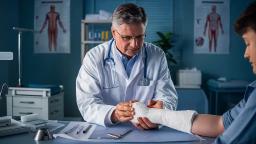
Living with chronic pain can affect every part of life. It can make daily tasks harder, reduce mobility, disturb sleep, and impact emotional wellbeing. Many people assume surgery is the only solution, but that is not always true.
Today, orthopedic doctors in Kenya use a wide range of non-surgical treatments to manage chronic pain effectively and safely.
These approaches focus on identifying the root cause of discomfort, improving joint function, reducing inflammation, and restoring quality of life without the risks or recovery time associated with surgery.
Before recommending treatment, orthopedic specialists focus on accurate diagnosis. Chronic pain in joints, bones, muscles, or the spine can stem from conditions like arthritis, sports injuries, nerve compression, posture-related strain, or age-related degeneration.
Orthopedic doctors perform physical examinations, review medical history, and use imaging tools such as X-rays or MRI scans.
Understanding the exact source of pain allows them to design a targeted plan rather than relying on temporary relief methods. This personalised approach is a key reason many patients improve without surgery.
Medication plays a supportive role in managing chronic pain. Orthopedic doctors prescribe anti-inflammatory medications to reduce swelling in joints and tissues.
Muscle relaxants may be used when muscle spasms contribute to discomfort, and pain relievers help patients stay active during recovery.
However, medication is rarely the only solution. Specialists carefully balance effectiveness with long-term safety, often combining medicines with other therapies to address the root cause of pain instead of masking symptoms alone.
One of the most powerful tools in non-surgical care is physiotherapy. Guided exercises strengthen muscles, improve flexibility, and support joint stability. When muscles are strong and balanced, they reduce stress on joints and injured areas.
Orthopedic doctors often work closely with physiotherapists to create structured rehabilitation programs.
These programs help patients regain movement gradually, correct posture problems, and build resilience against future injuries. For many individuals, consistent physiotherapy leads to significant pain reduction over time.
Chronic pain is often influenced by daily habits. Poor posture, prolonged sitting, lack of physical activity, and excess body weight can all worsen orthopedic conditions.
Specialists guide patients on improving posture, using ergonomic workspaces, and incorporating safe exercises into daily routines.
Weight management also plays a role in reducing pressure on joints such as knees and hips. These changes may seem simple, but they often bring lasting improvements when applied consistently.
In some cases, targeted injections help reduce inflammation and relieve pain. Corticosteroid injections can calm severe joint inflammation, while other therapies may promote tissue healing. These treatments are minimally invasive and can provide relief for months.
Orthopedic doctors in Kenya also explore advanced regenerative approaches in suitable cases.
These therapies aim to support the body’s natural healing process, especially for joint and soft tissue conditions. They are often used alongside rehabilitation to maximise recovery.
For certain conditions, external support can reduce strain on affected areas. Braces, orthotics, or supportive footwear help align joints properly and prevent further injury.
These devices allow patients to stay active while protecting vulnerable areas.
Orthopedic specialists ensure that supportive devices fit correctly and are used appropriately, preventing dependency while encouraging natural strength recovery.
Managing chronic pain is not only physical. Emotional stress and anxiety can intensify pain perception.
Orthopedic doctors educate patients about their condition, helping them understand triggers and self-management strategies.
Techniques such as controlled movement, stretching routines, and relaxation methods are often recommended. When patients understand their condition, they gain confidence in managing symptoms and staying active.
Non-surgical care is often the first line of treatment. Surgery is usually considered only when conservative methods fail to provide relief or when structural damage is severe. Even then, orthopedic specialists aim to exhaust safe alternatives first.
This patient-centred approach ensures individuals receive the least invasive solution that still delivers effective results.
Chronic pain does not always require surgery. Through accurate diagnosis, physiotherapy, medication, lifestyle changes, targeted injections, and supportive therapies, orthopedic doctors in Kenya help patients regain comfort and mobility without going through invasive procedures.
For those seeking expert, non-surgical orthopedic care, visit The Spine Clinic Africa to learn how specialised treatment plans can help you manage chronic pain safely and improve your quality of life.
| No comments yet. Be the first. |
