
Have you ever experienced a sudden, sharp pain in your teeth when drinking cold water, eating ice cream, or enjoying a chilled beverage? If so, you may have Sensitive Teeth, a common dental concern that can make everyday activities uncomfortable. Tooth sensitivity can range from mild, occasional discomfort to recurring pain that affects your eating and drinking habits.
Cold sensitivity often occurs when the protective enamel covering your teeth becomes worn or when the roots of your teeth become exposed. However, cavities, cracked teeth, gum recession, and other dental conditions can also cause discomfort. Understanding the underlying cause is important for choosing the right treatment and protecting your long-term oral health.
At Seabreeze Dental Central Coast, patients can seek professional dental advice to understand the possible causes of tooth sensitivity and explore appropriate treatment options.
Tooth sensitivity, also known as dentine hypersensitivity, is a condition in which the teeth react painfully to certain triggers. These may include cold or hot foods and drinks, sweet or acidic products, brushing, flossing, or even breathing in cold air.
Beneath the enamel is a layer called dentine. Dentine contains tiny channels that connect towards the inner part of the tooth. When enamel wears away or the gums recede, these channels can become exposed, allowing external stimuli to trigger discomfort.
The pain is often brief and sharp, although persistent or severe pain may indicate another dental problem that requires professional assessment.
Tooth enamel protects the sensitive inner layers of your teeth. Although enamel is strong, it can gradually wear down due to acidic foods and drinks, frequent exposure to stomach acid, or brushing too aggressively.
When the enamel becomes thinner, cold temperatures can affect the underlying dentine more easily, resulting in sensitivity.
To help protect your enamel, use a soft-bristled toothbrush, brush gently, and limit frequent consumption of acidic drinks. If you consume acidic foods, rinse your mouth with water afterwards and wait before brushing.
Gum recession occurs when the gum tissue gradually moves away from the tooth, exposing part of its root. Unlike the crown of a tooth, the root does not have the same protective enamel covering.
As a result, exposed roots may react strongly to cold water, ice cream, and other temperature changes.
Gum recession can be associated with gum disease, aggressive brushing, and other oral health factors. A dentist can assess the condition of your gums and recommend appropriate care to reduce sensitivity and protect the exposed areas.
Tooth decay is another possible reason your teeth hurt when exposed to cold temperatures. Cavities develop when bacteria produce acids that damage tooth structure.
In the early stages, decay may not cause noticeable symptoms. As it progresses, you may experience sensitivity to cold, sweet foods, or pressure while chewing.
If you notice sensitivity in one particular tooth, especially when it is accompanied by persistent pain or discomfort when biting, arrange a dental examination. Treating decay early may help prevent further damage.
A cracked tooth can cause discomfort when eating or drinking cold items. The crack may expose sensitive internal structures or allow temperature changes to trigger pain.
Some cracks are difficult to see without a professional examination. You may also notice sharp pain when biting down or releasing your bite.
Treatment depends on the location and severity of the crack. A dentist can assess the tooth and determine whether it requires a filling, crown, or another treatment.
Some people experience temporary tooth sensitivity after professional cleaning, fillings, teeth whitening, or other dental procedures.
This sensitivity often improves with time, depending on the procedure and the condition of the teeth beforehand. However, severe, worsening, or persistent pain should not be ignored.
If you have recently undergone dental treatment and cold sensitivity is causing concern, contact your dental professional for advice.
Grinding or clenching your teeth, particularly during sleep, can gradually wear down enamel and increase sensitivity.
Other signs may include jaw soreness, headaches, flattened tooth surfaces, and discomfort when chewing.
A dentist can check for signs of grinding and discuss suitable management options, which may include a custom-fitted night guard where appropriate.
The right approach depends on the cause and severity of your symptoms. Several everyday measures may help reduce discomfort and protect your teeth.
Desensitising toothpaste contains ingredients that help reduce sensitivity by blocking pathways through the dentine or reducing the response of the nerves inside the teeth.
Use the toothpaste according to its instructions and give it time to work. If the sensitivity continues, seek advice from a dental professional rather than relying on toothpaste alone.
Brushing too hard can contribute to enamel wear and gum recession. Choose a soft-bristled toothbrush and use gentle, controlled movements to clean your teeth effectively without unnecessary pressure.
Continue brushing twice daily with fluoride toothpaste to help protect against tooth decay.
Frequent consumption of acidic drinks, including soft drinks and some fruit juices, can contribute to enamel erosion.
Try to limit frequent exposure to acidic products, drink water regularly, and avoid brushing immediately after consuming acidic foods or drinks.
If cold foods and drinks trigger discomfort, choose items closer to room temperature while you investigate the cause.
This may help reduce symptoms temporarily, but it does not replace dental assessment when sensitivity is persistent or worsening.
When home care is not enough, professional dental treatment may help address the underlying problem.
Depending on the diagnosis, your dentist may recommend one or more of the following options:
Fluoride treatment: Professional fluoride applications may help strengthen enamel and reduce sensitivity in suitable cases.
Desensitising treatments: Special products can help reduce the response of exposed dentine.
Dental fillings: Cavities or certain areas of tooth damage may require restoration.
Treatment for gum disease: Managing gum inflammation and infection can help protect the supporting tissues around your teeth.
Protective dental restorations: A filling or crown may be appropriate for some damaged or weakened teeth.
Further treatment for severe damage: If the inner pulp is affected, root canal treatment or another procedure may be necessary.
The most suitable treatment depends on your dental examination and the source of the sensitivity.
Occasional sensitivity may improve with appropriate oral care, but recurring or unexplained symptoms deserve attention.
Consider booking a dental appointment if your sensitivity lasts for an extended period, affects one specific tooth, becomes progressively worse, or makes eating and drinking difficult.
You should also seek prompt assessment if sensitivity occurs alongside swelling, severe pain, a cracked tooth, pain when biting, or signs of infection. Facial swelling accompanied by difficulty breathing or swallowing requires emergency medical attention.
A dental examination can help distinguish ordinary sensitivity from cavities, fractures, gum problems, or other conditions that need treatment.
Maintaining a consistent oral hygiene routine can help reduce the risk of sensitivity and other dental problems.
Brush twice daily with fluoride toothpaste, clean between your teeth every day, and attend regular dental check-ups. Avoid aggressive brushing, limit frequent acidic drinks, and address teeth grinding or gum problems when identified.
If you already experience sensitive teeth, ask your dentist which toothpaste and brushing techniques are most suitable for your needs. Early advice can help you manage discomfort before it begins to interfere with your daily routine.
Having Sensitive Teeth can make simple activities such as drinking cold water or enjoying your favourite foods uncomfortable. Although worn enamel and exposed roots are common causes, cavities, cracked teeth, gum recession, and other dental conditions can produce similar symptoms.
Identifying the cause is the first step towards effective treatment. Home care and desensitising toothpaste may provide relief in some cases, but persistent symptoms should be evaluated by a dental professional.
Seabreeze Dental Central Coast can help you understand the possible causes of your tooth sensitivity and explore treatment options suited to your oral health needs. With appropriate dental care, you can take practical steps towards reducing discomfort, protecting your teeth, and maintaining a healthier smile.
If cold foods or drinks regularly cause tooth pain, consider arranging a dental assessment rather than ignoring the symptoms. Early attention can help identify potential problems and support better long-term oral health.

Oral health plays an important role in maintaining overall health and well-being. Poor oral hygiene can contribute to several dental problems, including tooth decay, gum disease, bad breath, and oral infections. But can bad oral hygiene cause oral cancer? Understanding the relationship between oral hygiene and oral cancer can help you make informed decisions about your dental care and recognise potential warning signs early.
At Hume Dental Hub, maintaining good oral health begins with daily dental care, regular dental check-ups, and awareness of conditions that may affect the mouth. Although poor oral hygiene is not established as a direct cause of oral cancer, looking after your teeth and gums remains an essential part of maintaining a healthy mouth.
The relationship between poor oral hygiene and oral cancer is complex. Bad oral hygiene alone is not considered a proven direct cause of oral cancer. However, poor oral health can lead to gum disease, infections, and inflammation, which may affect the condition of the tissues inside your mouth.
Established risk factors for oral cancer include tobacco use, alcohol consumption, and certain infections, including human papillomavirus (HPV), particularly for some cancers of the oropharynx. Other factors, such as age and prolonged sun exposure to the lips, may also contribute to risk.
Maintaining good oral hygiene cannot guarantee that oral cancer will be prevented. Nevertheless, brushing and flossing regularly and visiting your dentist can help keep your mouth healthy and make it easier to identify unusual changes that require further assessment.
Understanding the main risk factors can help you take appropriate steps to protect your oral health.
Smoking cigarettes, using chewing tobacco, and consuming other tobacco products are major risk factors for oral cancer. Tobacco contains harmful chemicals that can damage the cells lining the mouth and increase the likelihood of cancer developing.
Avoiding tobacco products is one of the most important steps you can take to reduce your risk.
Frequent or heavy alcohol consumption increases the risk of oral cancer. The risk is particularly high when alcohol use is combined with tobacco use.
Reducing alcohol consumption and avoiding tobacco can help lower your exposure to these established risk factors.
Certain types of HPV are associated with cancers of the oropharynx, which includes areas such as the back of the tongue and tonsils. HPV-related cancers do not necessarily present with the same risk factors as cancers in other parts of the mouth.
Discuss HPV vaccination and other preventive measures with an appropriate healthcare professional if you have questions about your risk.
Poor oral hygiene can contribute to gum disease, tooth decay, and other oral health problems. Persistent irritation from damaged teeth or poorly fitting dental appliances should also be assessed by a dentist.
However, these issues should not automatically be considered causes of oral cancer. Any persistent sore, lump, or unusual change in your mouth needs proper evaluation rather than being attributed to poor oral hygiene alone.
Recognising possible symptoms is important because early assessment can help ensure that concerning changes are investigated promptly.
Common warning signs may include:
A mouth ulcer or sore that does not heal.
Red or white patches inside the mouth.
A lump, thickened area, or unexplained swelling.
Persistent pain in the mouth or tongue.
Difficulty chewing, swallowing, or moving the tongue.
Numbness in the mouth or lips.
Unexplained bleeding in the mouth.
A persistent sore throat or a feeling that something is stuck in the throat.
These symptoms do not always indicate oral cancer. They can occur for several other reasons, but persistent or unexplained changes should not be ignored.
If you notice a mouth ulcer that lasts longer than three weeks, or another unusual change that does not improve, arrange an assessment with a dentist or doctor.
A consistent oral hygiene routine can help prevent many common dental problems and support long-term oral health.
Brush your teeth twice daily for approximately two minutes using fluoride toothpaste. Choose a soft-bristled toothbrush and clean all tooth surfaces gently, including the areas along the gumline.
Use dental floss or an appropriate interdental cleaning tool every day to remove plaque and food particles from areas that a toothbrush may not reach effectively.
Avoiding cigarettes, chewing tobacco, and other tobacco products can reduce your risk of oral cancer and several other health problems.
Reducing alcohol consumption, particularly heavy drinking, can help lower one established risk factor for oral cancer.
Include a variety of vegetables, fruits, whole grains, and other nutritious foods in your diet. A balanced diet supports general health and helps provide nutrients needed for healthy oral tissues.
Regular dental visits allow your dentist to assess your teeth, gums, and soft tissues. Your dentist may identify changes that require further investigation and recommend appropriate treatment or follow-up.
Regular dental check-ups are important for more than just detecting cavities. A dental examination can help identify gum disease, damaged teeth, oral infections, and suspicious changes in the soft tissues of the mouth.
Your dentist may examine your tongue, cheeks, gums, lips, and the floor and roof of your mouth. If an unusual area is identified, further assessment or referral to an appropriate specialist may be recommended.
Dental check-ups do not replace medical investigations or guarantee early detection of every oral cancer. However, they provide an opportunity to discuss concerns and receive professional guidance about changes in your oral health.
At Hume Dental Hub, patients can discuss their dental concerns and learn about suitable preventive care options.
You should arrange a dental appointment if you experience persistent gum problems, unexplained mouth pain, recurring sores, unusual patches, or changes in your oral tissues.
Seek prompt professional assessment for any mouth ulcer lasting longer than three weeks, a persistent lump, or unexplained difficulty swallowing. If you have severe difficulty breathing or swallowing, seek emergency medical care.
Do not attempt to diagnose oral cancer yourself or rely on home remedies to treat persistent symptoms. A qualified healthcare professional can assess your symptoms and determine whether further testing is needed.
So, can bad oral hygiene cause oral cancer? Poor oral hygiene is not established as a direct cause of oral cancer, but maintaining good oral health remains essential for preventing common dental problems and supporting overall well-being. Established risk factors, including tobacco use, alcohol consumption, and certain HPV infections, deserve particular attention.
Brushing twice daily, cleaning between your teeth, avoiding tobacco, limiting alcohol, and attending regular dental check-ups can help you maintain a healthier mouth.
If you notice unusual or persistent changes in your mouth, consult a dentist or doctor rather than ignoring the symptoms. Contact Hume Dental Hub to discuss your dental health concerns and learn more about maintaining good oral hygiene.

A damaged or weakened tooth can affect your ability to chew comfortably and maintain a healthy smile. In some situations, a dental crown may help restore the tooth's strength, shape and function. Recognising the signs that you may need a dental crown can help you seek professional advice before the problem becomes more complicated.
At Aspendale Gardens Dental Care, patients can discuss their dental concerns and explore suitable restorative treatment options. If you are searching for Dental Crown Aspendale Gardens, understanding when a crown may be recommended is a useful first step towards protecting your oral health.
A dental crown is a custom-made restoration that covers the visible portion of a tooth. It helps protect weakened tooth structure, restore the tooth's shape and improve chewing function.
Dental crowns may be recommended for teeth affected by extensive decay, significant damage, large fillings or certain dental procedures. The type of crown and treatment approach depend on the condition of the tooth, its location and your individual dental needs.
A dental examination is necessary to determine whether a crown is the most appropriate option or whether another treatment may be suitable.
A cracked or damaged tooth may require additional protection, particularly when the damage affects its strength or ability to withstand normal biting pressure. Depending on the location and severity of the crack, a dental crown may help protect the remaining tooth structure.
Not every cracked tooth requires a crown. Your dentist will assess the damage and recommend treatment based on the extent of the crack and the condition of the surrounding tissues.
When tooth decay affects a large portion of a tooth, a standard filling may not provide enough support. In these cases, a crown may be considered to restore the tooth and protect the remaining structure.
Early dental assessment is important because treatment options depend on how far the decay has progressed. If the tooth can be restored, your dentist will discuss the available options.
Large fillings can restore damaged teeth, but a tooth with extensive previous restorations may have less natural structure remaining. This can sometimes increase the risk of further damage.
A dental crown may be recommended when additional coverage is needed to support the tooth. Your dentist will evaluate the existing filling, the remaining tooth structure and your bite before suggesting treatment.
Some teeth that undergo root canal treatment may become more vulnerable to fracture, particularly when significant tooth structure has been lost.
Depending on the tooth's condition and location, a crown may be recommended to provide additional protection and restore function. Your dentist can explain whether a crown is necessary in your particular situation.
Discomfort when biting or chewing can sometimes indicate a cracked tooth, decay, a damaged filling or another dental problem. However, these symptoms do not automatically mean that you need a crown.
A dental examination can help identify the underlying cause and determine the most appropriate treatment. If you experience persistent pain, arrange an appointment rather than relying on home remedies alone.
Teeth can become damaged through injury, grinding or years of everyday use. When a tooth has lost a significant amount of its structure, a dental crown may help restore its shape and chewing function.
If you grind your teeth, your dentist may also discuss ways to reduce excessive pressure and protect your teeth from further wear.
Sometimes a tooth may look relatively normal but have weakened internal or external structure because of previous dental work or damage.
Your dentist may recommend a crown if the tooth needs more coverage and support than another restoration can provide. The recommendation will depend on a careful assessment of the tooth and its long-term outlook.
A dental crown can provide several benefits when it is appropriate for the condition being treated.
Restores strength: Helps protect a weakened tooth from further damage.
Improves function: Supports chewing and biting when the tooth has been properly restored.
Restores appearance: Can improve the shape, size and appearance of a damaged tooth.
Protects remaining structure: Covers and supports the visible portion of a tooth.
Provides a durable restoration: With suitable care, a crown can last for many years, although its lifespan varies.
The benefits depend on the tooth's condition, the material used, the quality of the restoration and your oral hygiene habits.
If you are considering a Dental Crown Aspendale Gardens appointment, knowing what to expect can help you feel more prepared.
Your dentist examines the affected tooth, checks your bite and may recommend dental X-rays if clinically necessary.
The dentist explains the condition of the tooth, whether a crown is suitable and what alternative treatments may be available.
If a crown is recommended, the tooth may need to be carefully reshaped so the restoration can fit correctly. The amount of preparation depends on the tooth and the treatment plan.
A custom-made crown is fitted and adjusted to achieve a suitable bite and comfortable fit. The exact process and number of visits depend on the restoration and the available treatment method.
Your dentist provides instructions for maintaining the crown and protecting the surrounding teeth and gums.
Good oral hygiene is essential after receiving a dental crown. Although the crown covers the tooth, the surrounding gum tissue and the underlying tooth structure still need protection.
Follow these habits to help maintain your restoration:
Brush twice daily with fluoride toothpaste.
Clean between your teeth every day.
Attend regular dental check-ups.
Avoid chewing hard objects that could damage the crown.
Discuss teeth grinding with your dentist if you experience it.
Seek dental advice if the crown becomes loose, damaged or uncomfortable.
Maintaining these habits can help support your oral health and the longevity of your restoration.
Choosing the right dental practice involves understanding your treatment options and receiving advice that suits your needs. Aspendale Gardens Dental Care can be a starting point for discussing damaged teeth, restorative procedures and ways to maintain your smile.
If you have a cracked tooth, a large filling or a weakened tooth, a dental consultation can help clarify whether a crown or another treatment is appropriate.
A damaged tooth should not be ignored, especially if you experience persistent discomfort or difficulty chewing. Early assessment can help identify the problem and determine suitable treatment options.
If you are looking for Dental Crown Aspendale Gardens, contact Aspendale Gardens Dental Care to arrange a consultation. Your dentist can examine the tooth, explain the available options and help you make an informed decision about restoring your smile.

A child's early dental experiences can help shape their oral health habits for years to come. Regular dental visits, good brushing routines and preventive care can support healthy teeth and gums as children grow. At Upwey Dental, families can discuss their children's dental needs and learn how to maintain healthy smiles in a comfortable and supportive environment.
If you are looking for Child Dentistry Upwey, choosing a dental practice that understands children's needs can help make dental visits a more positive experience.
Children's teeth play an important role in chewing, speaking and maintaining space for permanent teeth. Although baby teeth eventually fall out, they still need proper care to help prevent tooth decay, discomfort and other dental problems.
Regular dental check-ups allow a dentist to monitor the development of a child's teeth and identify potential concerns early. Preventive care can also help children become familiar with dental appointments before more complex treatment is needed.
At Upwey Dental, parents can seek guidance on maintaining their child's oral health and developing positive dental habits at home.
Child dentistry focuses on protecting children's teeth and gums while supporting healthy oral development. Treatment and advice are tailored to the child's age, dental condition and individual needs.
Depending on the child's requirements, a dental visit may include the following services.
Regular examinations help the dentist assess the condition of the teeth and gums, monitor tooth development and identify signs of decay or other concerns.
Your dentist can also discuss how frequently your child should attend appointments based on their oral health and risk factors.
Professional cleaning may be recommended to remove plaque and deposits that are difficult to manage with brushing alone. The dentist can also demonstrate age-appropriate brushing and cleaning techniques to help children improve their daily routine.
Preventive care is an important part of Child Dentistry Upwey. Parents can receive guidance on fluoride toothpaste, brushing techniques, healthy food choices and reducing frequent exposure to sugary snacks and drinks.
Depending on the child's needs, the dentist may also discuss additional preventive options, such as fluoride treatments or dental fissure sealants.
As children grow, their teeth and jaws continue to develop. Regular dental visits allow the dentist to monitor this process and identify concerns that may require further assessment or treatment.
Early advice can help parents understand their child's dental development and the next steps when a concern is identified.
For some children, visiting a dentist for the first time can feel unfamiliar. A calm and encouraging approach can help them feel more comfortable.
Here are a few practical ways to prepare your child:
Explain that the dentist helps keep teeth healthy.
Use positive, simple language when talking about the appointment.
Read a children's book about visiting the dentist.
Avoid using dental visits as a threat or punishment.
Encourage your child to ask questions and express their feelings.
Follow the dental team's advice about preparing for the appointment.
A relaxed approach can help children build trust and develop a more positive attitude towards oral health care.
Good oral hygiene begins with everyday habits. Parents and caregivers play an important role in helping children learn how to care for their teeth.
Encourage your child to brush twice a day with fluoride toothpaste appropriate for their age. Young children usually need help and supervision to ensure that all tooth surfaces are cleaned effectively.
When teeth touch each other, cleaning between them becomes important. Ask your dentist when and how your child should begin flossing.
A balanced diet supports general health and healthy teeth. Limit frequent sugary snacks and drinks, and encourage water as a regular drink.
Routine appointments allow the dentist to assess your child's oral health and provide preventive advice. Your dentist can recommend an appropriate recall schedule based on your child's individual needs.
These simple steps can help children develop habits that support a healthy smile into adulthood.
Children can experience several dental concerns as their teeth develop. Some common issues include tooth decay, sensitivity, dental injuries and difficulties with brushing.
Tooth decay may develop when plaque bacteria interact with sugars in food and drinks over time. Regular brushing with fluoride toothpaste, sensible dietary habits and preventive dental care can help reduce the risk.
If your child complains of persistent toothache, develops swelling or experiences a dental injury, contact a dental professional promptly. Facial swelling accompanied by difficulty breathing or swallowing requires emergency medical attention.
Seeking advice early can help parents understand the problem and the most appropriate next steps.
Children should have their first dental visit by their first birthday or within six months of their first tooth appearing, in line with widely used paediatric dental guidance.
After the initial visit, the dentist can recommend a suitable schedule based on your child's oral health, age and risk of dental problems.
You should also arrange an appointment if your child experiences tooth pain, visible tooth damage, bleeding gums or other ongoing dental concerns. A dental professional can assess the symptoms and advise whether treatment is necessary.
Finding a dental practice where your child feels comfortable can make regular dental care easier for the whole family. Upwey Dental provides an opportunity for parents to discuss their child's oral health, understand preventive care and receive guidance suited to their child's needs.
When considering Child Dentistry Upwey, look for clear communication, a supportive approach and advice that helps your family maintain good oral hygiene between appointments.
Parents can ask questions about dental examinations, preventive treatments and ways to help children feel more confident during visits.
Helping children develop healthy dental habits early can support their oral health as they grow. Regular check-ups, appropriate preventive care and a consistent home routine all contribute to maintaining healthy teeth and gums.
If you are searching for Child Dentistry Upwey, contact Upwey Dental to arrange a dental appointment for your child. The dental team can assess your child's needs and help you understand the next steps towards maintaining a healthy, confident smile.

Choosing a plastic surgeon is an important decision that requires careful research, realistic expectations and a clear understanding of available treatment options. For people exploring cosmetic surgery in Western Australia, finding a qualified and experienced plastic surgeon in Perth is an essential first step. From initial consultations to personalised treatment planning, patients should have access to clear information and professional guidance throughout their journey.
Dr Joseph Luo is a name patients may encounter when researching cosmetic surgery in Perth. When considering any surgeon, it is important to review their qualifications, registration, experience, areas of practice and approach to patient care rather than relying on popularity alone.
This guide explains what to consider when choosing a plastic surgeon in Perth, what to expect during a cosmetic surgery consultation and how personalised treatment planning can help patients make informed decisions.
Cosmetic surgery is a personal decision, and every patient has different goals, expectations and medical considerations. Selecting an appropriate plastic surgeon involves more than comparing prices or looking at before-and-after photographs. It also requires understanding the surgeon's qualifications, communication style and approach to safety.
When researching a plastic surgeon in Perth, consider the following factors:
Qualifications and registration: Check the surgeon's qualifications and registration with the relevant Australian medical authorities.
Relevant experience: Research the surgeon's experience with the specific procedure you are considering.
Patient consultation: Look for a consultation process that allows you to discuss your goals, concerns and medical history.
Personalised treatment planning: Treatment recommendations should take individual circumstances and realistic outcomes into account.
Surgical safety: Ask about potential complications, anaesthesia, recovery and follow-up arrangements.
Clear communication: Your surgeon should explain the available options, limitations and risks in language you understand.
Taking the time to consider these factors can help patients make informed decisions about cosmetic surgery.
Dr Joseph Luo is associated with plastic surgery services in Perth, Western Australia. People researching his practice may wish to learn more about his professional background, consultation process and the treatments he offers.
Before choosing any surgeon, prospective patients should confirm their current registration, specialist qualifications and the procedures they are authorised and experienced to perform. They should also review the clinic's official information and discuss their individual needs directly during a consultation.
The decision to undergo cosmetic surgery should always be based on accurate medical information and a clear understanding of the expected benefits and possible risks.
Patients considering cosmetic surgery may have different concerns involving facial appearance, breast shape or body contour. Dr Joseph Luo's practice lists a range of reconstructive and aesthetic procedures.

1. Blepharoplasty (Eyelid Surgery)
Blepharoplasty is a surgical procedure that addresses excess skin and, where appropriate, fat around the upper or lower eyelids. Patients may consider it to address changes in eyelid appearance. Suitability depends on an individual clinical assessment.
2. Rhinoplasty (Nose Surgery)
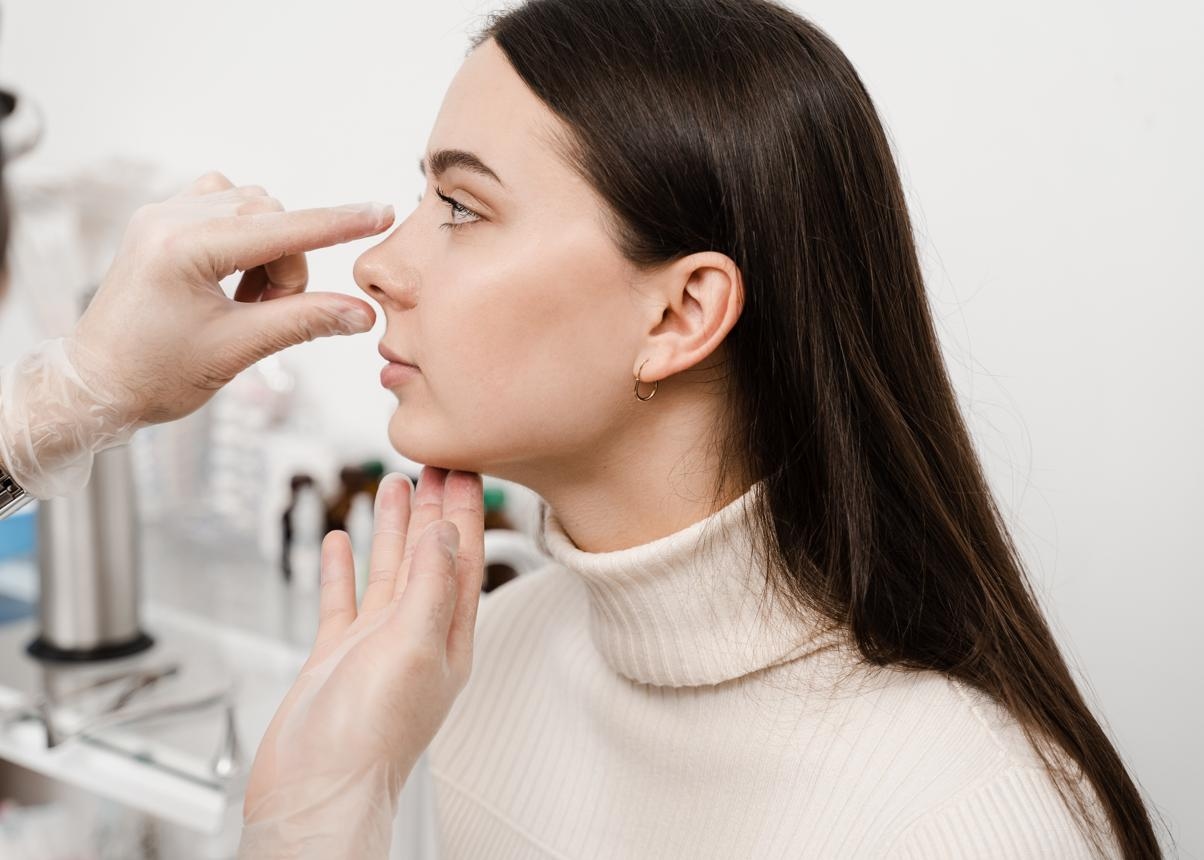
Rhinoplasty involves surgically reshaping the nose to alter its size, shape or proportions. During a consultation, patients can discuss their concerns, the limitations of surgery and realistic expectations.
3. Facelift and Neck Lift
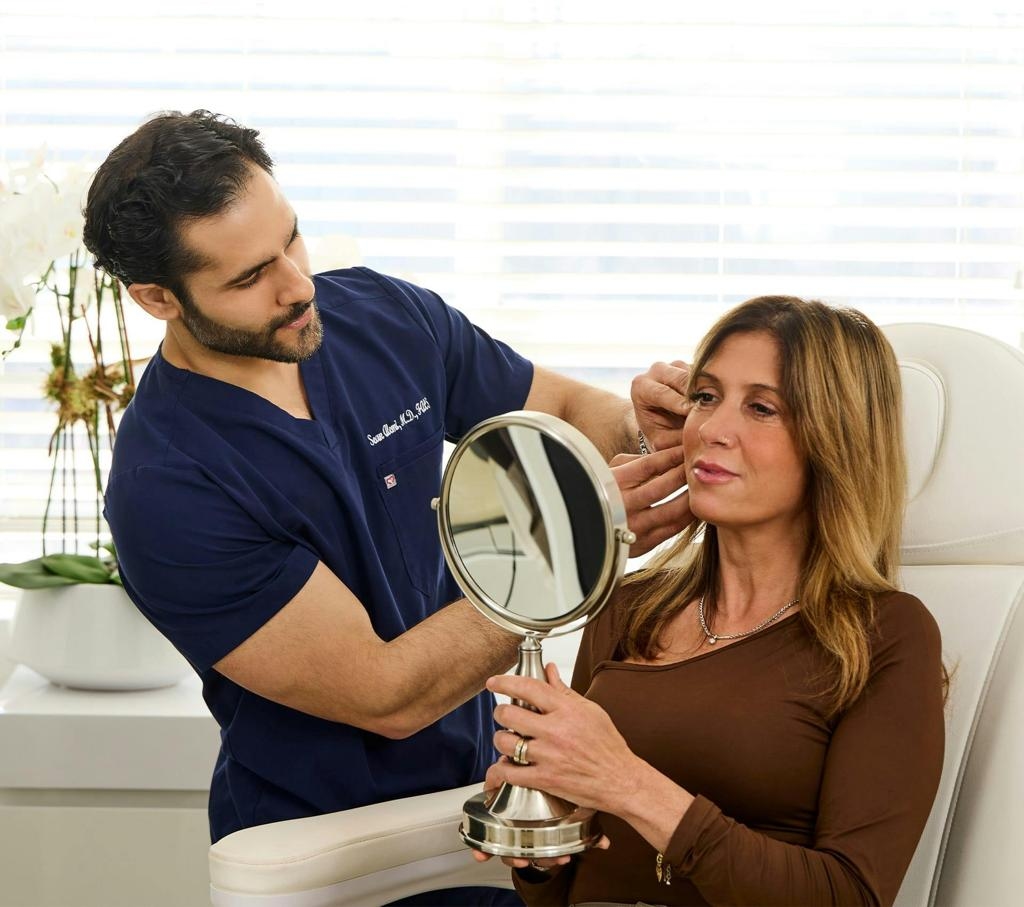
Facelift and neck lift procedures address selected signs of facial and neck ageing, including loose skin and changes in facial contours. The appropriate approach depends on skin condition, anatomy and individual goals.

4. Breast Reduction and Breast Lift
Breast reduction removes breast tissue and excess skin to change breast size. A breast lift reshapes and raises breast tissue. A consultation helps determine which procedure, if any, may be appropriate.

5. Breast Augmentation
Breast augmentation is a procedure intended to change breast size and shape, commonly using implants or, in selected cases, fat transfer. Patients should discuss implant-related risks, alternatives and long-term considerations.

6. Abdominoplasty (Tummy Tuck)
Abdominoplasty removes excess abdominal skin and may involve tightening abdominal muscles. It is not a substitute for weight loss, and recovery and results vary between individuals.
These procedures have different indications, risks and recovery requirements. A surgeon should explain the expected benefits, alternatives and possible complications before a patient makes a decision.
An initial consultation gives patients an opportunity to discuss their goals, medical history and concerns. It also allows the surgeon to assess whether a particular treatment may be suitable.
The consultation and treatment-planning process may include the following stages:
Initial discussion: Explain your reasons for considering surgery and discuss your expectations.
Clinical assessment: The surgeon reviews relevant medical history and assesses your individual needs.
Treatment options: Discuss potentially suitable procedures, non-surgical alternatives where relevant and the limitations of each option.
Treatment planning: Review the proposed procedure, potential risks, estimated costs and expected recovery.
Preparation and aftercare: If you decide to proceed, receive instructions about preparation, recovery and follow-up appointments.
Dr Joseph Luo's practice describes a personalised consultation process and follow-up care that may extend up to 12 months, depending on the patient's needs.
There is no single surgeon who is the right choice for every patient. When researching a recommended plastic surgeon in Perth, consider these practical points:
Verify specialist registration: Check the practitioner's details on the
Australian Health Practitioner Regulation Agency (AHPRA)
website.
Review qualifications: Confirm specialist training and relevant experience with your intended procedure.
Discuss risks: Ask about complications, anaesthesia, scarring, recovery time and the possibility of further surgery.
Understand the costs: Request a clear breakdown of consultation, surgeon, hospital, anaesthesia and follow-up fees.
Consider aftercare: Find out who will provide assistance if you experience unexpected symptoms after surgery.
Take your time: Avoid making a decision under pressure and ensure you understand all the information provided.
You can also consult the
Australian Society of Plastic Surgeons' professional profile for Dr Joseph Luo
to review his published professional information.
Dr Joseph Luo's published professional profile describes his training in plastic and reconstructive surgery, including a medical degree from the University of Western Australia, fellowship with the Royal Australasian College of Surgeons (FRACS) and additional international fellowship experience.
His practice also highlights experience in craniomaxillofacial surgery, aesthetic surgery and Asian aesthetic procedures. Consultations are available in English and Mandarin, and the practice describes an extended follow-up program of up to one year, where required.

Patients considering Dr Joseph Luo can use an initial consultation to discuss their treatment goals, ask questions about his experience with a particular procedure and understand the proposed treatment plan.
Although cosmetic surgery may address particular aesthetic concerns, every surgical procedure carries potential risks. These can include infection, bleeding, scarring, anaesthesia-related complications and results that differ from expectations.
Recovery times also vary depending on the procedure and the patient's health. Before proceeding, patients should understand the recovery process, follow post-operative instructions and know how to contact their surgical team if concerns arise.
It is equally important to consider whether surgery is appropriate for your circumstances. A qualified practitioner should provide balanced information and allow sufficient time for an informed decision.
There is no universally recognised best plastic surgeon in Perth. The right choice depends on the patient's medical needs, intended procedure, surgeon's specialist qualifications, relevant experience and individual preferences. Dr Joseph Luo is one specialist plastic surgeon practising in Perth whom patients can research.
Dr Joseph Luo is listed by the Australian Society of Plastic Surgeons as a specialist plastic surgeon, with FRACS and other professional qualifications. Patients can independently verify his current registration through AHPRA.
His practice lists procedures including blepharoplasty, rhinoplasty, facelift and neck lift, breast augmentation, breast reduction and lift, and abdominoplasty. Individual suitability is determined through consultation and clinical assessment.
Patients can visit the
official Dr Joseph Luo website
to find consultation and contact information. The practice lists the telephone number +61 8 9230 0900.
Recovery depends on the type of procedure, the extent of surgery and individual healing. Your surgeon should provide procedure-specific recovery instructions, including when you may resume normal activities and attend follow-up appointments.
No. Suitability depends on medical history, physical health, treatment goals and other individual factors. A consultation with a suitably qualified practitioner is necessary to assess whether surgery is appropriate.
Finding a plastic surgeon in Perth involves researching professional qualifications, relevant surgical experience, treatment options and the quality of patient communication. Dr Joseph Luo is a specialist plastic and reconstructive surgeon whose published profile outlines Australian and international training, a range of aesthetic procedures and personalised follow-up care.
Patients interested in cosmetic surgery can explore his services, verify his credentials and arrange a consultation to discuss their individual needs. A well-informed decision should always take account of realistic expectations, potential risks, costs and recovery requirements.

Karan Restaurant is a popular destination for food lovers seeking authentic Indian flavors in Australia. Known for its rich aromas, traditional recipes, and warm hospitality, Karan Restaurant offers a delightful dining experience that reflects the true essence of Indian cuisine. Whether you are craving classic North Indian dishes, flavorful curries, or freshly prepared Indian breads, Karan Restaurant brings the taste of India to your table.
Karan Restaurant is dedicated to serving high-quality Indian food prepared using fresh ingredients and traditional cooking techniques. The restaurant focuses on delivering genuine flavors while maintaining consistent quality and excellent service. With a welcoming ambiance and a carefully curated menu, it caters to families, couples, and food enthusiasts who appreciate authentic Indian meals.
The menu at Karan Restaurant features a wide variety of Indian dishes that suit both vegetarian and non-vegetarian preferences. Each dish is prepared with aromatic spices and balanced flavors to ensure a memorable dining experience.
Traditional Indian curries
Tandoori specialties
Freshly baked naan and roti
Biryani and rice dishes
Vegetarian and vegan-friendly options
Indian desserts and beverages
The chefs at Karan Restaurant emphasize authenticity, ensuring that every dish reflects the true taste of Indian culinary heritage.
Karan Restaurant offers flexible dining options to suit different customer needs. Guests can enjoy a comfortable dine-in experience, opt for takeaway, or conveniently place online orders through the restaurant’s website. This makes it easy for customers to enjoy delicious Indian food at home, at work, or during special gatherings.
Customer satisfaction is a top priority at Karan Restaurant. The restaurant follows strict hygiene standards and focuses on consistent food quality. Friendly staff, timely service, and attention to detail make every visit pleasant and enjoyable. These values have helped Karan Restaurant build a loyal customer base within the local community.
With its diverse menu and inviting atmosphere, Karan Restaurant is an excellent choice for family dinners, casual outings, and small celebrations. The restaurant also caters to group orders, making it suitable for parties, office lunches, and special occasions.
Authentic Indian flavors
Fresh ingredients and traditional recipes
Vegetarian and non-vegetarian options
Dine-in, takeaway, and online ordering
Friendly service and clean environment
If you are looking for a restaurant that serves authentic Indian cuisine in Australia, Karan Restaurant is a perfect choice. With its flavorful dishes, commitment to quality, and customer-focused service, the restaurant continues to be a preferred spot for Indian food lovers. Visit Karan Restaurant to enjoy a true taste of India and experience exceptional hospitality.

The United Arab Emirates (UAE) is home to a thriving construction, manufacturing, and industrial sector—making quality hardware products and reliable suppliers essential for smooth operations. Whether you're building infrastructure, managing a workshop, or running a construction business, having access to high-quality hardware is a must.
To make the search easier and more efficient, ATN Info Directory serves as a powerful tool for finding the top hardware suppliers and dealers in the UAE. From hand tools and fasteners to industrial-grade equipment, the directory connects you with trusted vendors across the Emirates.
ATN Info Directory is one of the UAE’s most trusted online business directories. It offers:
Verified Supplier Listings
Categorized Search Filters (by location, service, product type)
Up-to-Date Contact Information
Direct Links to Business Websites and Profiles
With just a few clicks, you can compare, connect, and choose the most suitable hardware dealers for your needs.
The UAE’s hardware market is vast, and popular items include:
Fasteners (nuts, bolts, screws)
Hand tools (hammers, spanners, screwdrivers)
Power tools (drills, grinders, cutters)
Electrical hardware
Plumbing fittings
Safety gear and accessories
Industrial-grade tools and components
Here is a curated list of some of the most recommended hardware suppliers and dealers in the UAE available through the ATN Info Directory:
Location: Dubai, Abu Dhabi, Sharjah
Specialty: Complete range of construction hardware and tools
Website: [Available on ATN Info Directory]
Location: Ras Al Khaimah
Specialty: Industrial hardware, fasteners, electrical fittings
Location: Sharjah
Specialty: Electrical tools, hand tools, plumbing hardware
Location: Dubai
Specialty: Safety equipment, construction tools, welding tools
Location: Abu Dhabi
Specialty: Power tools, mechanical and industrial hardware
Location: Ajman
Specialty: Plumbing, electrical, and general hardware supplies
Note: Visit ATN Info Directory UAE and search “Hardware Suppliers” to get full contact details, reviews, and more.
Consistent product quality
Competitive pricing and discounts for bulk
Timely deliveries across Emirates
Technical support and after-sale service
Go to ATNInfo.com
Enter keywords like “Hardware Suppliers UAE” in the search bar
Filter by Emirate (Dubai, Sharjah, Abu Dhabi, etc.)
Browse through supplier profiles, compare offerings and ratings
Contact directly through provided details
Finding trustworthy and efficient hardware suppliers in the UAE no longer needs to be a hassle. With ATN Info Directory, businesses and individuals can access a well-curated list of top hardware dealers offering premium products and excellent service. Whether for construction, industrial, or commercial purposes, the right supplier is just a search away.